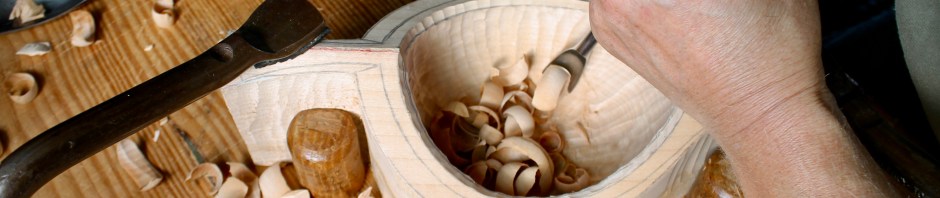

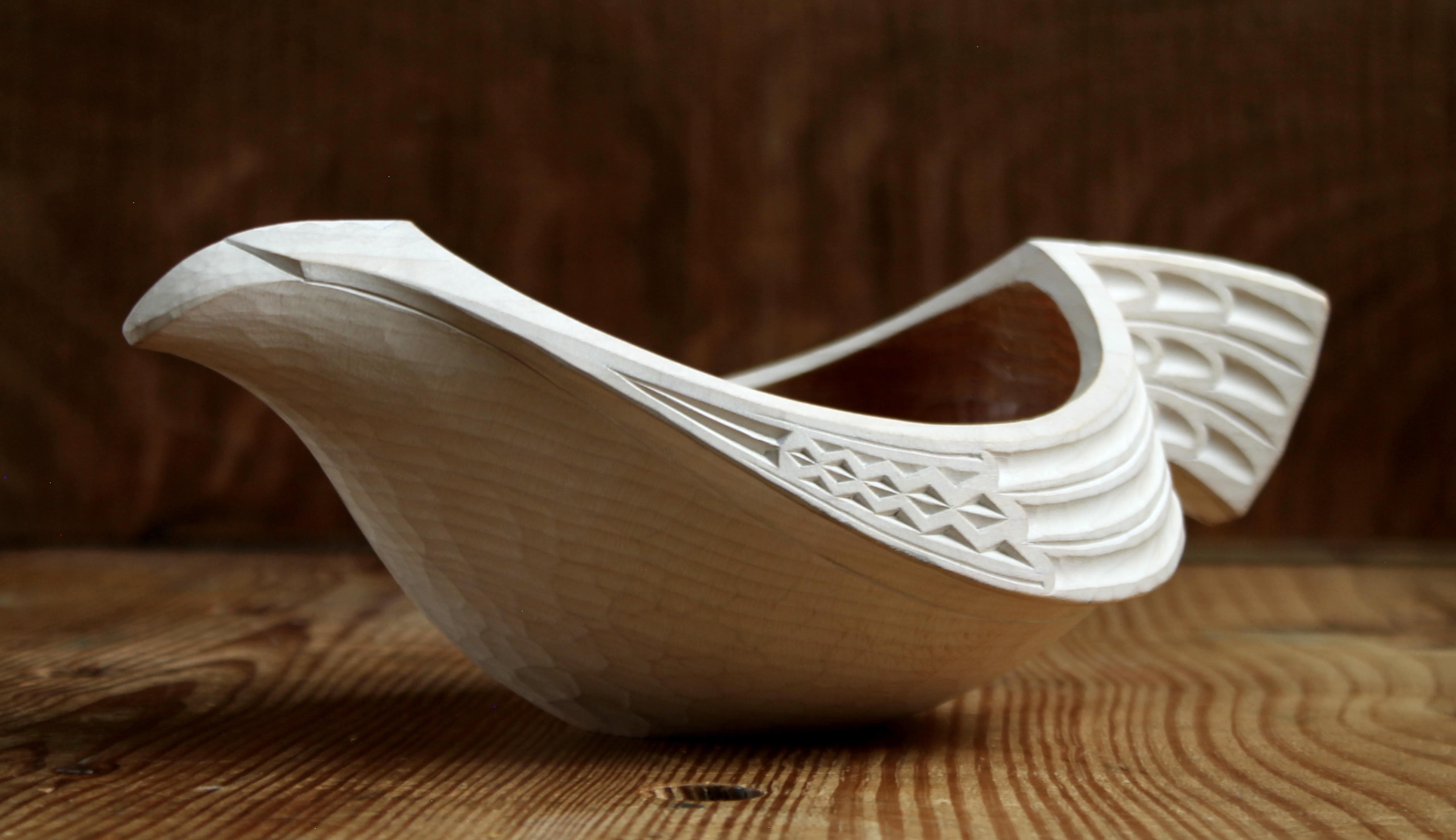
I’m returning to Peter Galbert Workshops in Berwick, Maine to teach another bird bowl class this week. As part of my preparations, I carved another hen bowl to make sure I remembered how.
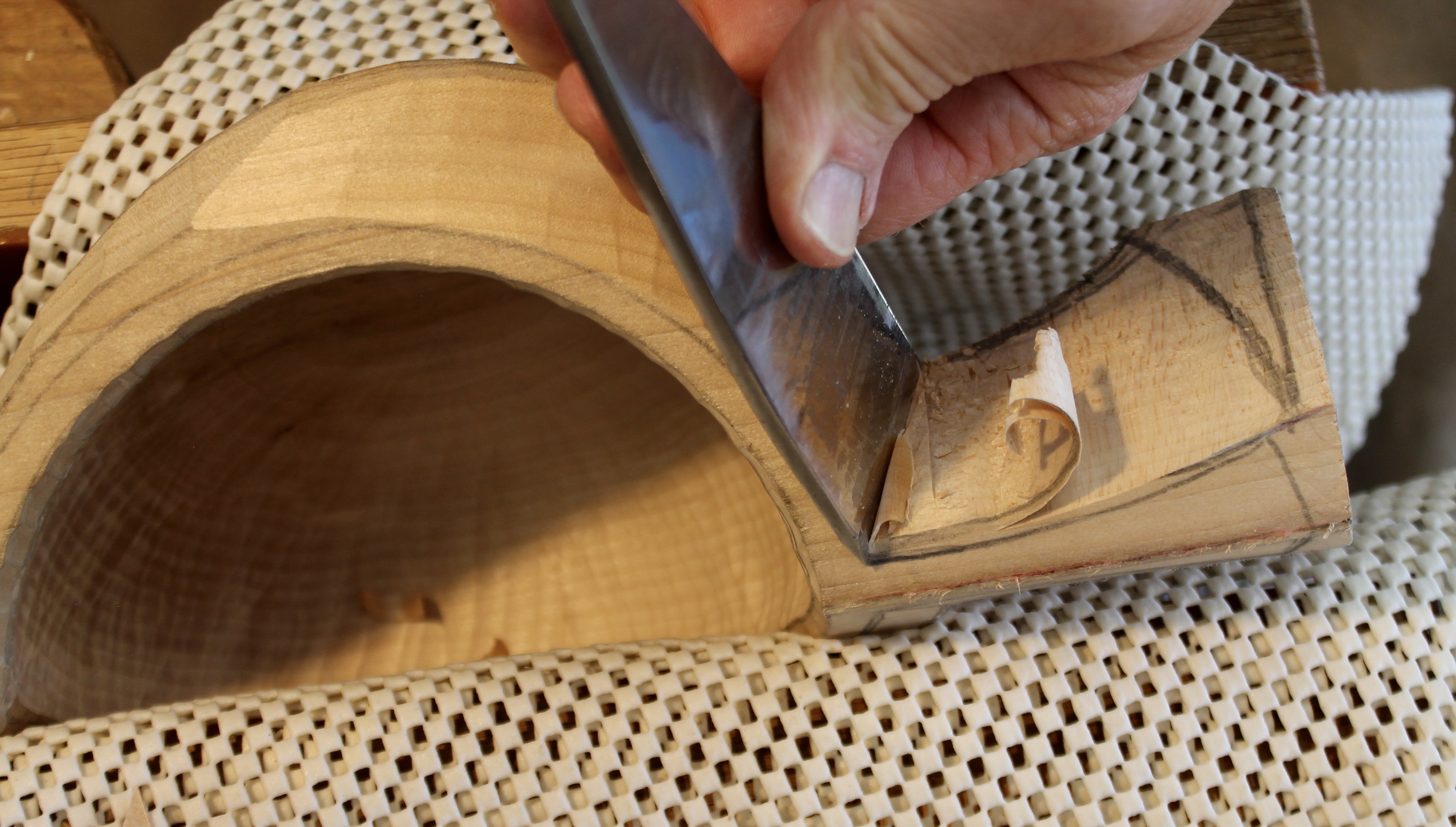
We’ll carve a long and sleek goose-inspired form and this short and stout hen-inspired form. Both can be easily tweaked to represent various other birds.
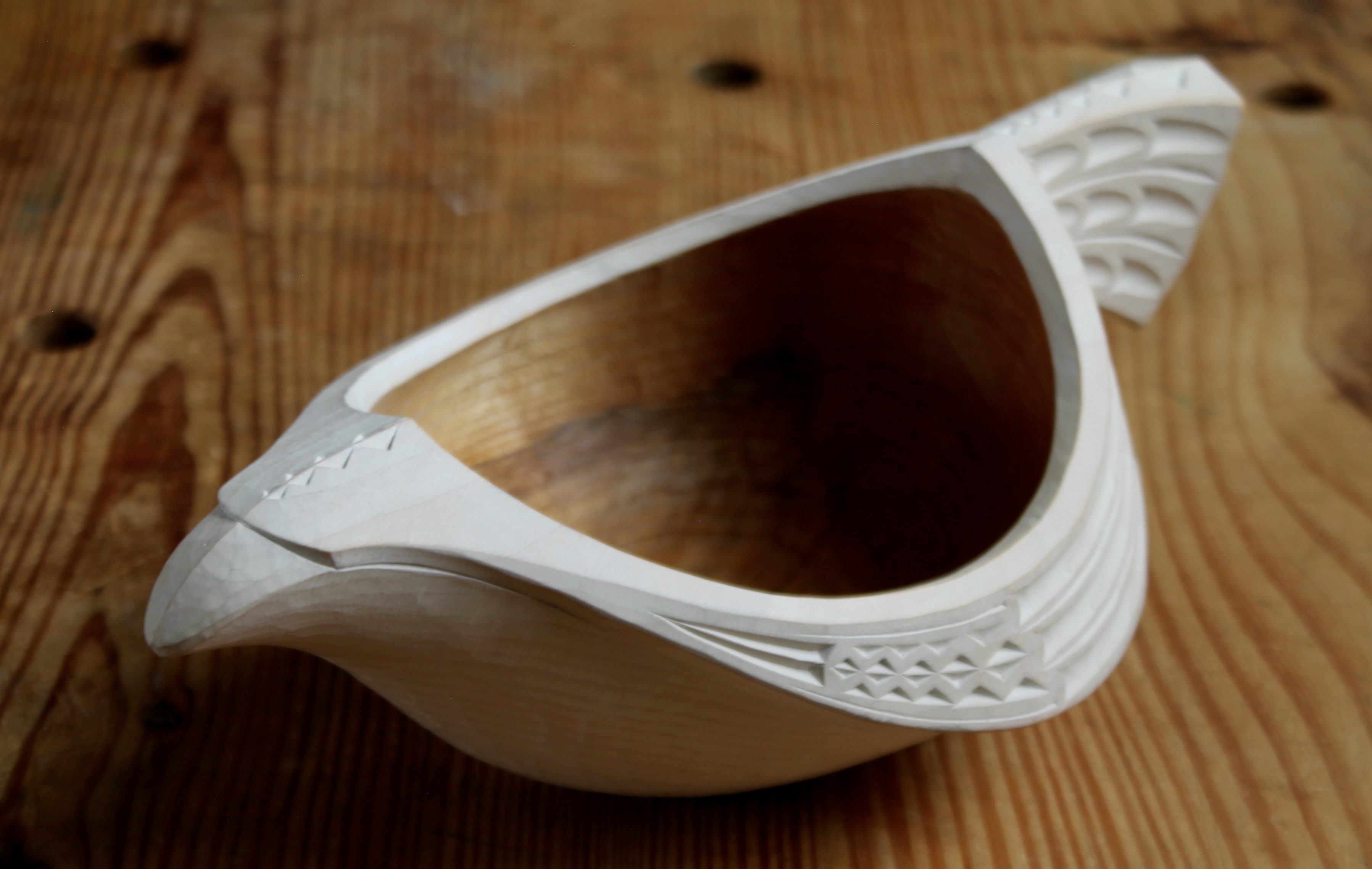
As an alternative to the more colorful examples I’ll have there, I painted the exterior of this latest one with a simple wash coat of white. It quiets the grain and allows the form and shadows of the carving to read more clearly.
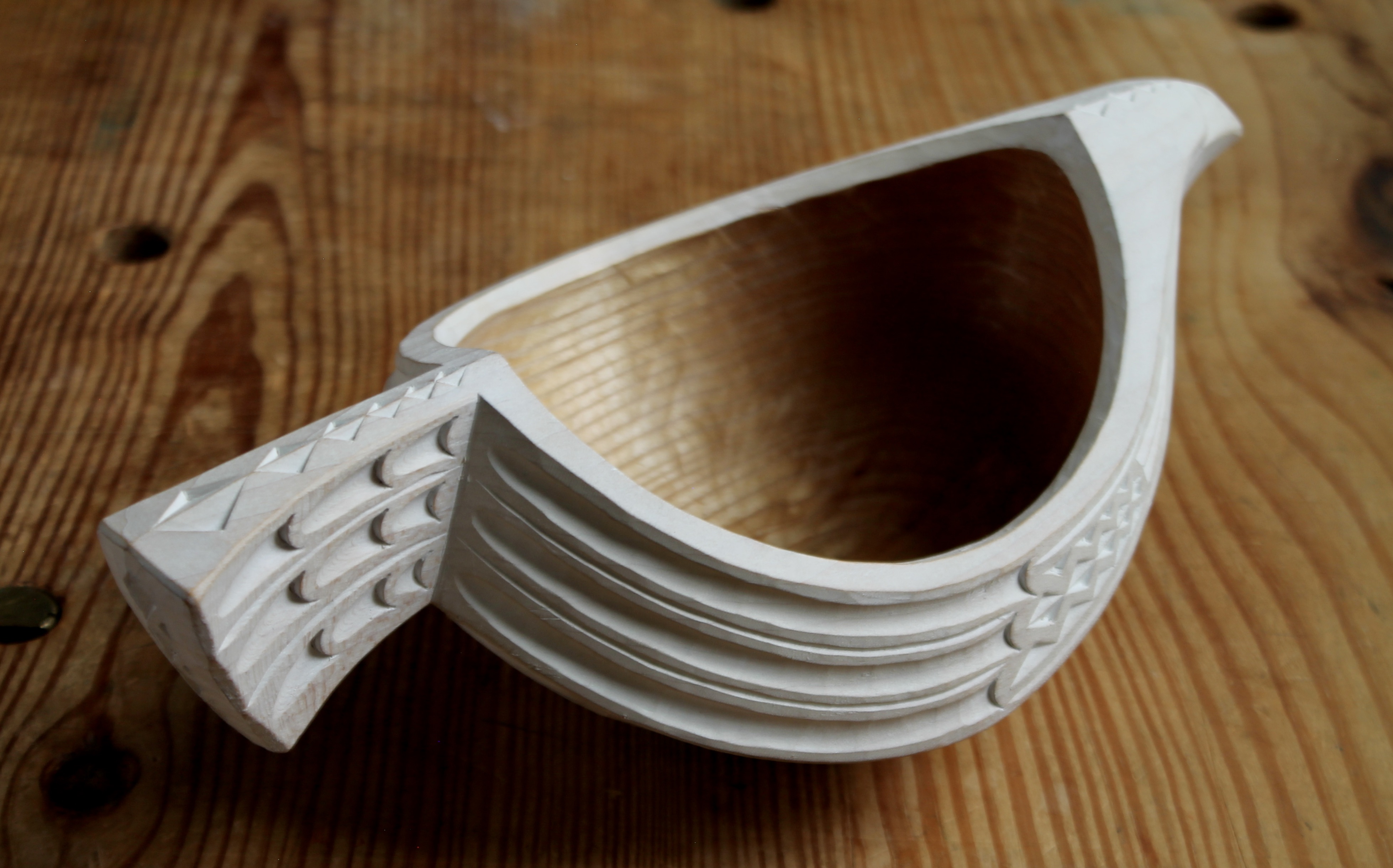
The possibilities for various forms of decorative carving are endless, but you do have to keep the requirements of grain direction in mind.
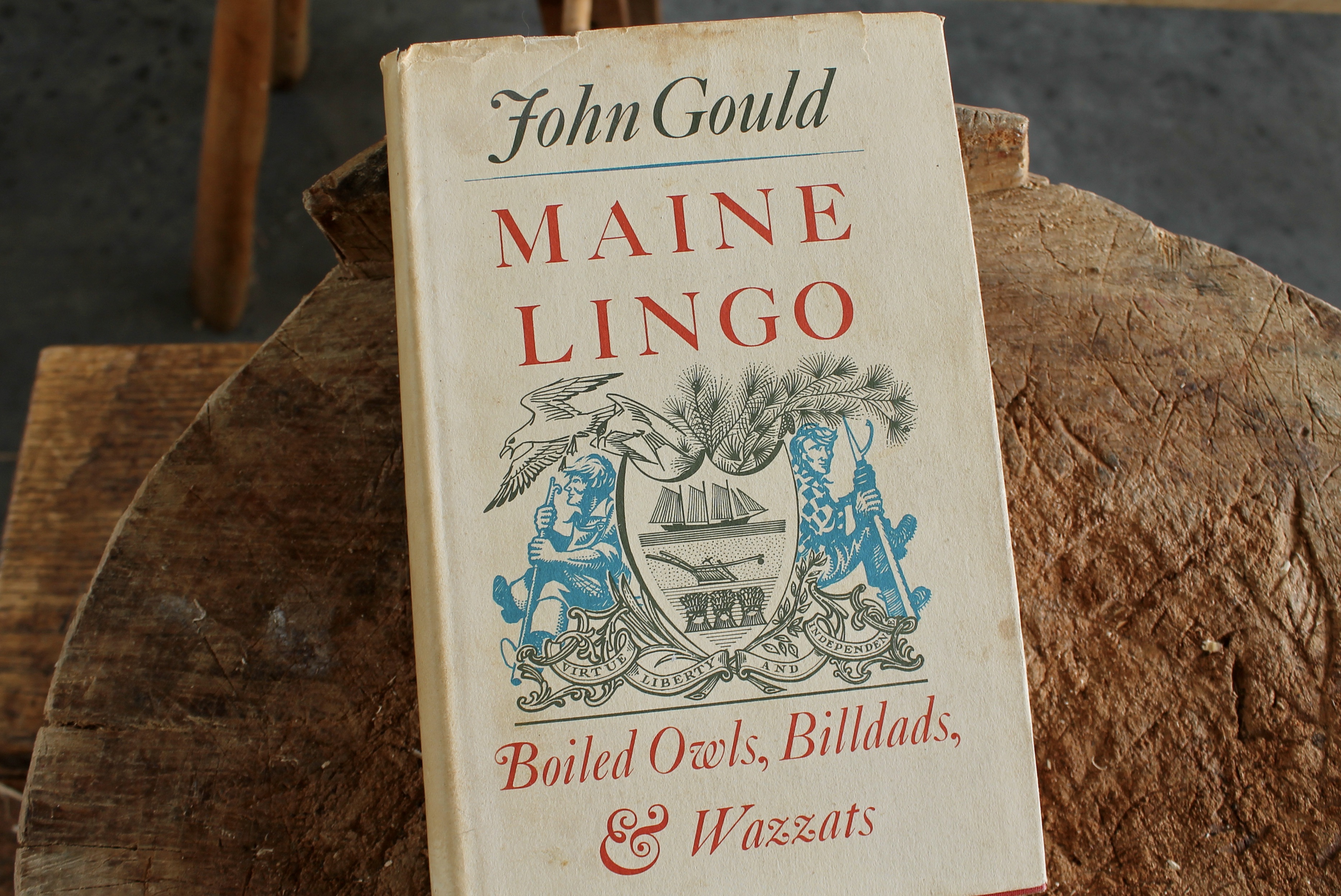
A timely discovery at our annual local library book sale a couple weeks ago will help me be even more prepared. A sort of dictionary of popular Maine phrases and terminology. Published by Down East magazine in 1975.
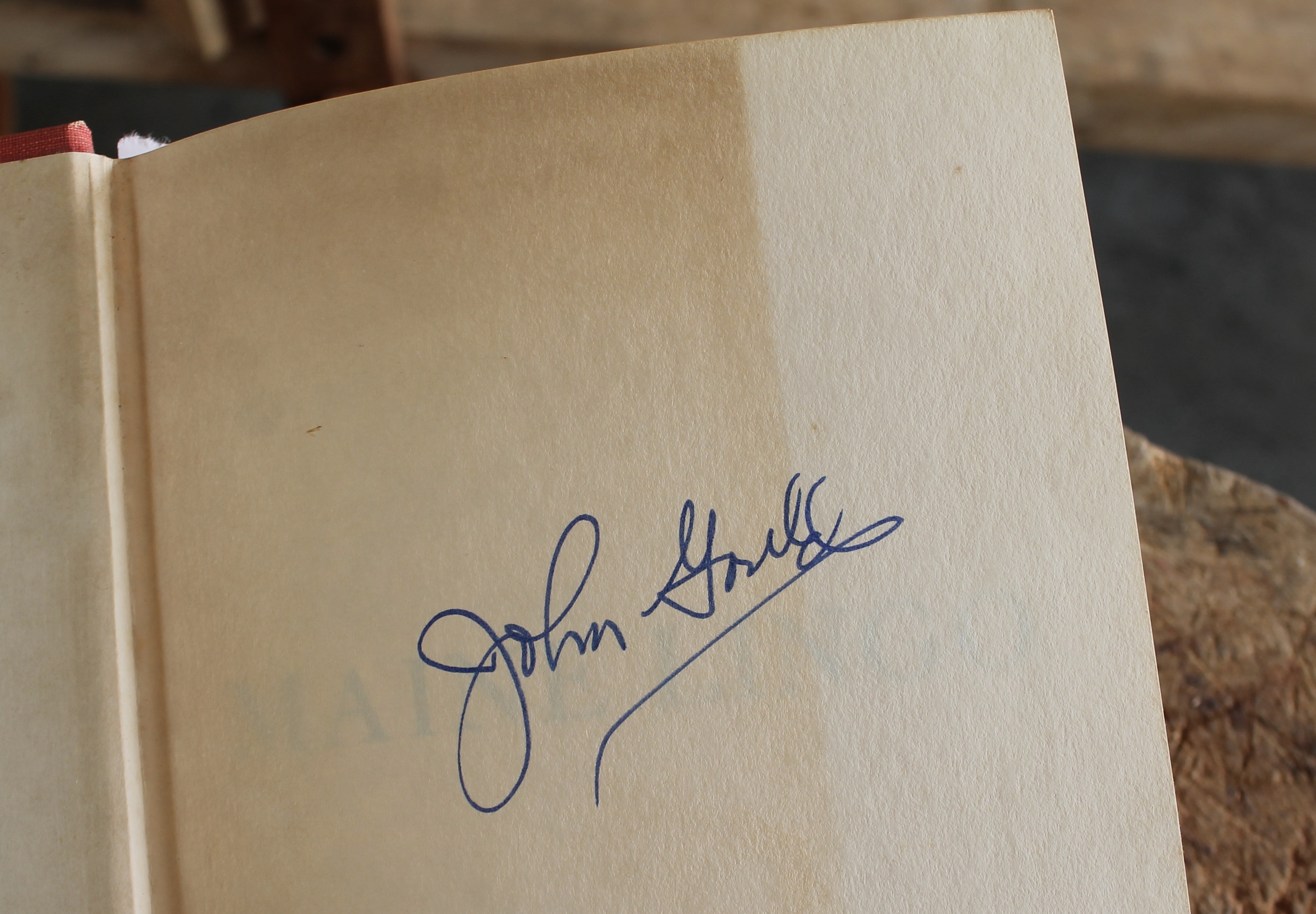
Even signed by the author.
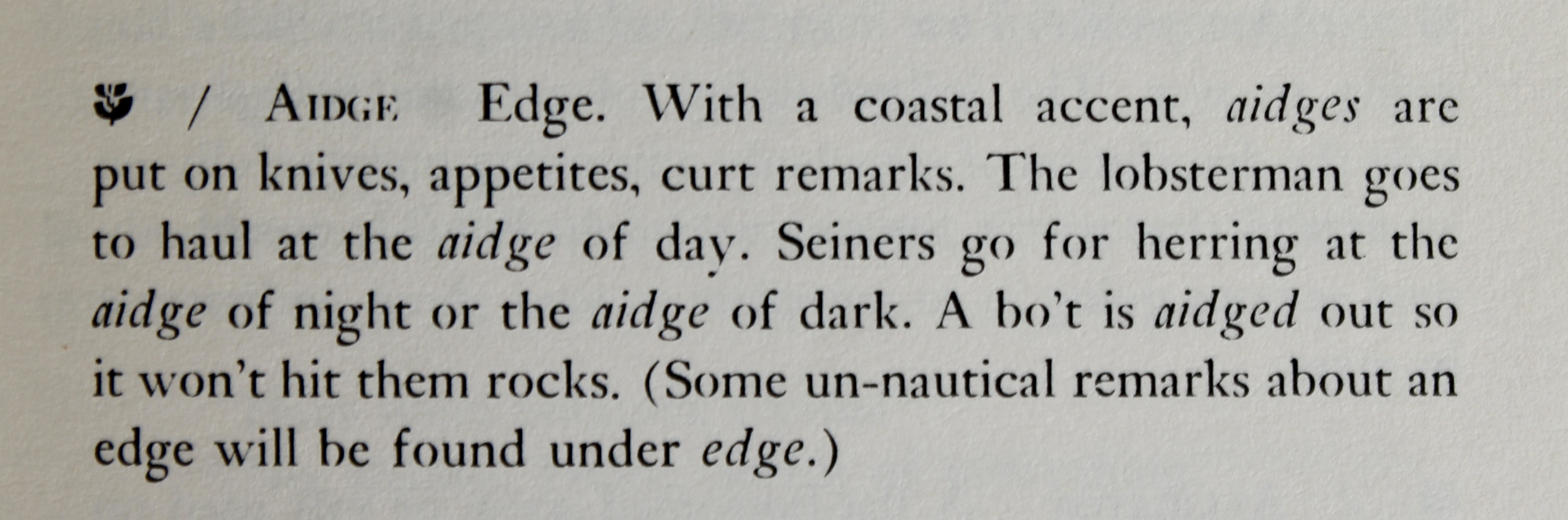
This one will come in handy as we’ll be working on getting and keeping the aidges of our tools sharp. Joel Paul can help me with the pronunciation.
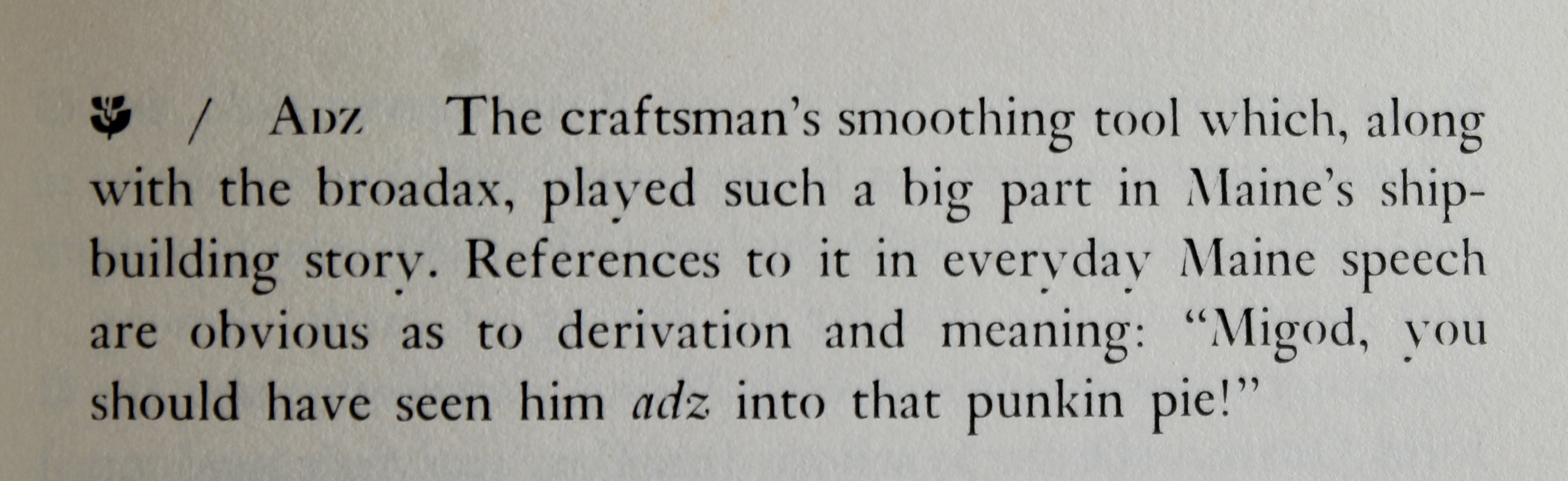
This one could be used during lunch.
After this class, I’ll sort out what I’m teaching at Pete’s in 2026 and get the classes posted.
 David Fisher, Carving Explorations
the bird looks great, wonderful form. Can you share what kind of wood it is? And can you elaborate on `wash coat of white`? The kind of paint, any thinning, and the application. I agree, it helps state the form and relief shadow.
LikeLiked by 1 person
The wood is basswood/limewood. I’ve designed these class birds to be carved from widely available timber. This one was carved from a 4″x6″x12″ chunk.
You could do a wash coat like this in many mediums. You just want to thin it to let the wood grain read through to the degree you wish. I was out of white milk paint, so in this case I used artist oil paint (from a tube) and added pure linseed oil to thin it. Essentially making a linseed oil stain (solvent free). Brush it on, wipe off excess. Try it on a test piece first.
LikeLike
thanks for sharing
LikeLike
nice one
LikeLiked by 1 person
doesn’t the word «boiled owls» remind you of a recurring theme in your work?;)
oiled bowls
LikeLiked by 1 person
Just transpose the B! Thanks.
LikeLike