
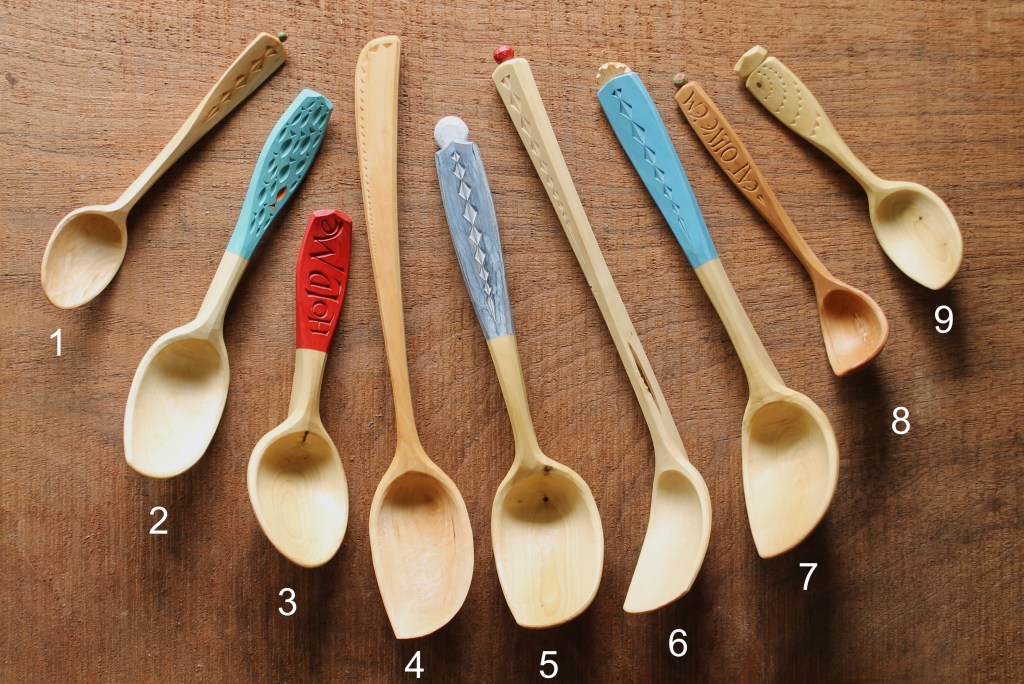
A little more color in this group, partly because of the wood species of the crooks I found and partly because I was itching to experiment more with milk paint. So, all of the paint on these is milk paint, then the whole spoon treated with pure refined linseed oil and kiln-cured. All surfaces are straight from the knife except for the inside of the bowl of #8.
If you’re interested in purchasing, send me an email at dandkfish@gmail.com and let me know which spoon(s) you’d like, and if you’d prefer to send a check or receive a PayPal invoice. I’ll get back to you to confirm that the spoon is still available. Prices include shipping in the U.S. International shipping will be an added charge, but probably not much. I’ll post individual photos of each spoon further down. Thanks for looking.

Four of these spoons came from this magnolia branch that someone had tossed aside. Nice wood for spoons. I’ll share some photos of the splitting and other processes in a future post. This one’s already going to be long enough. Here are the spoons:
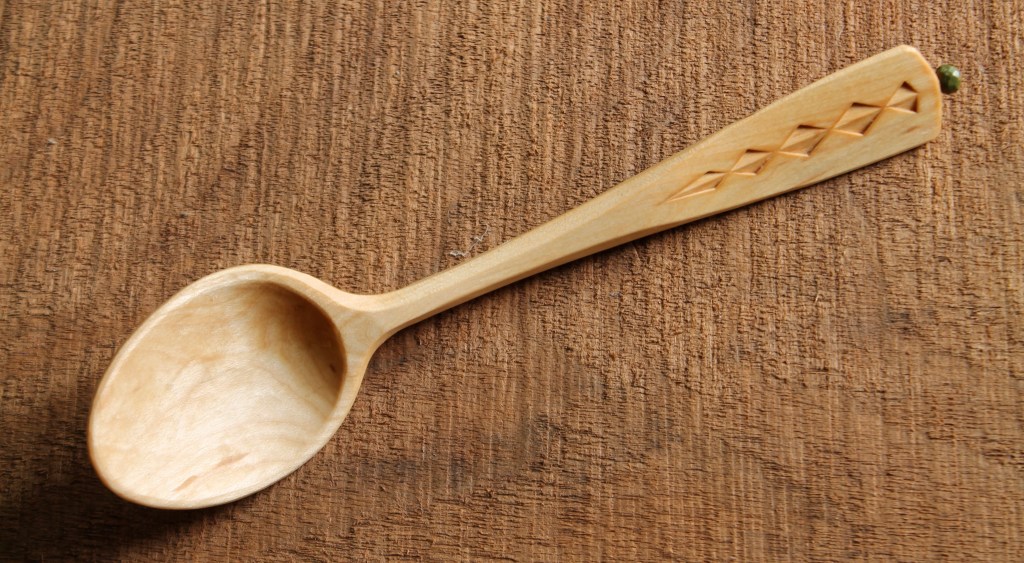
#1: Cherry (sapwood) Eating Spoon, 7 1/2″ x 1 3/16″. With a little green finial. $110 includes shipping. SOLD

#2: Silver Maple, 8 3/4″ x 2″. With one independent fish. $160 includes shipping. SOLD


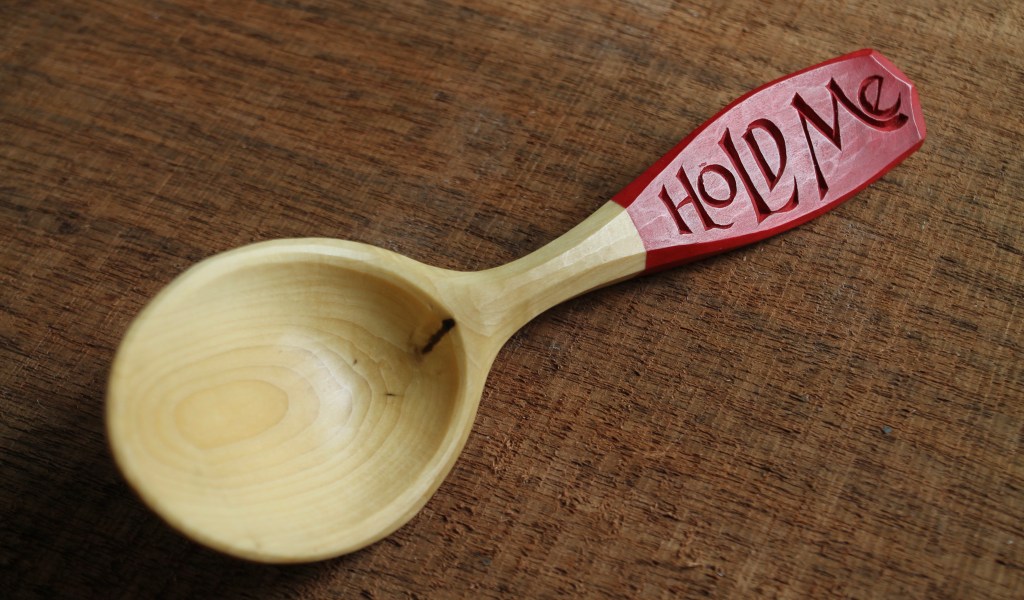
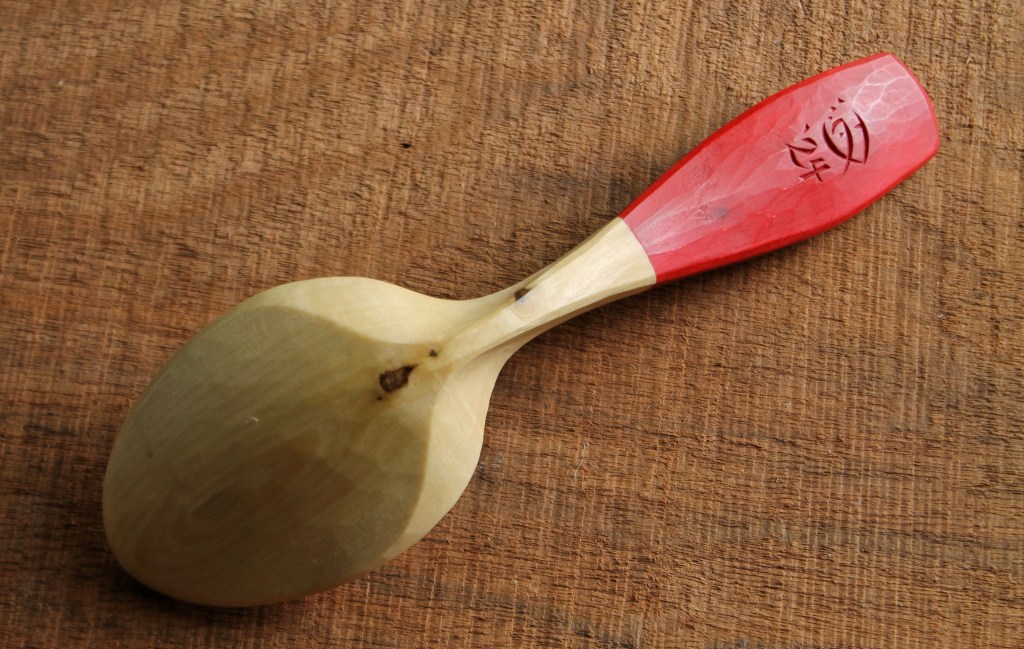
#3: Magnolia, 7 1/2″ x 2 1/4″. “Hold Me” serving spoon. $175 includes shipping. SOLD
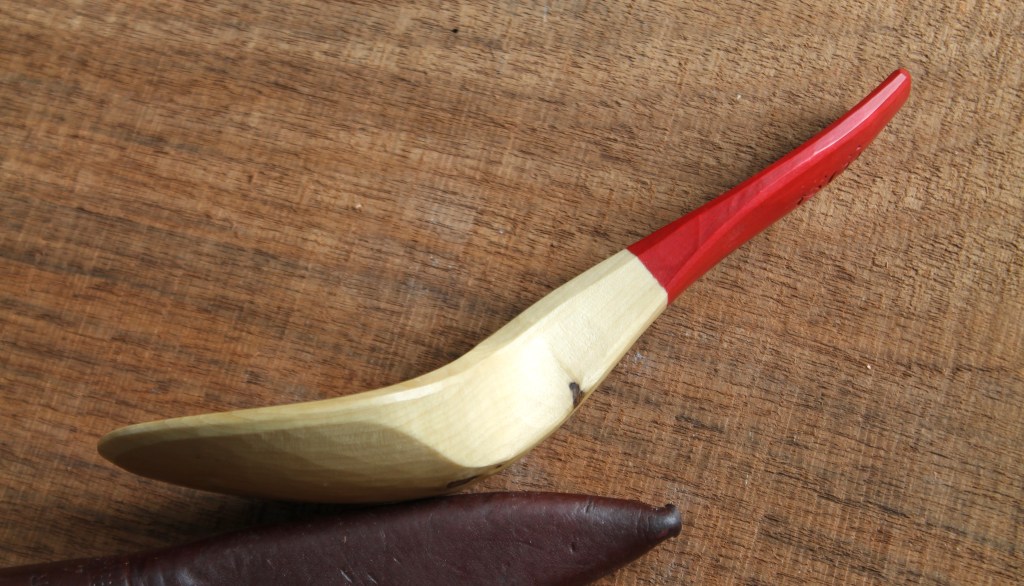
#4: Cherry (sapwood), 12 1/2″ x 2 1/8″. A nice cooker/server with a tapering line of chip carving wrapping around the back end of the handle. $160 includes shipping. SOLD
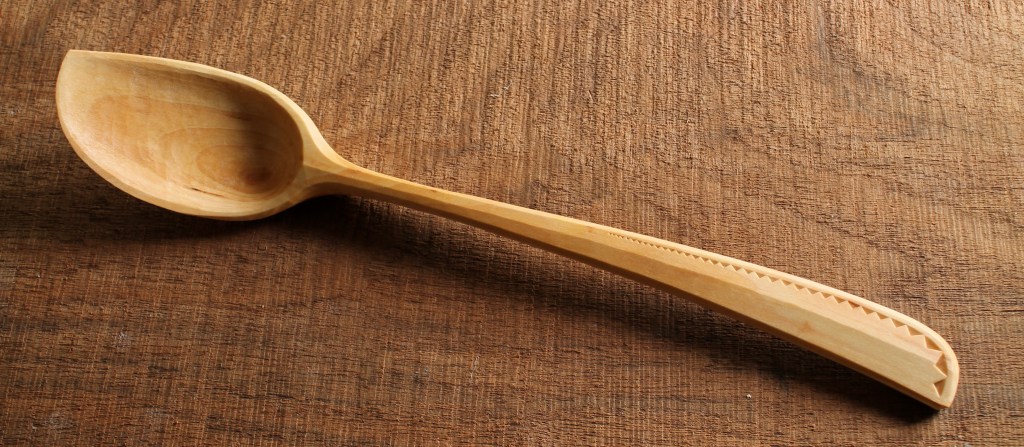

#5: Magnolia, 11″ x 2 1/4″. I had moonrise in mind. Deep bowl with a lot of crank. $170 includes shipping. SOLD

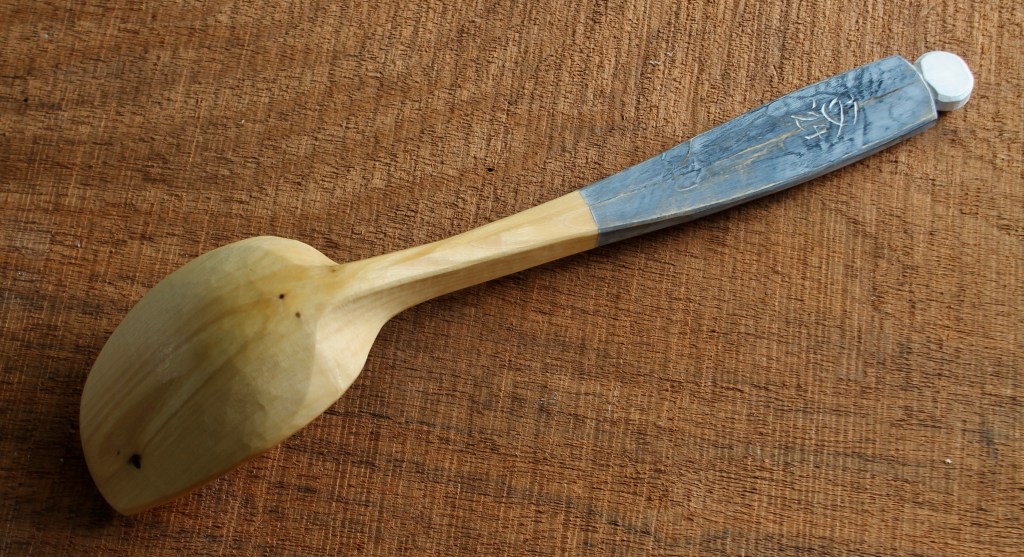
#6: Red Maple, 12″ x 1 7/8″. A slender server/ladle with a red ball finial. $150 includes shipping. SOLD

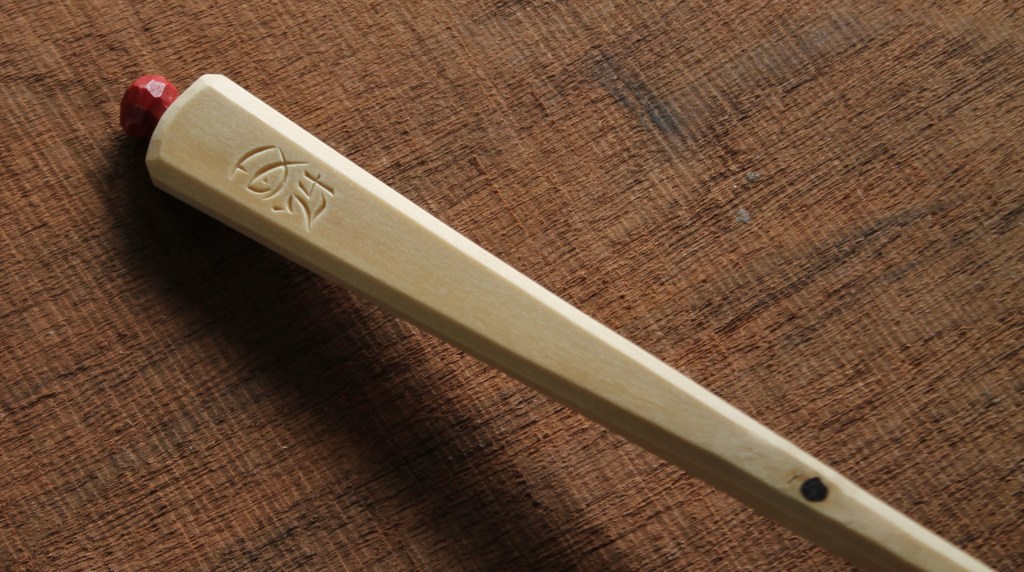
#7: Magnolia, 11″ x 2 1/4″. Sunrise. Deep bowl with a lot of crank. $170 includes shipping. SOLD

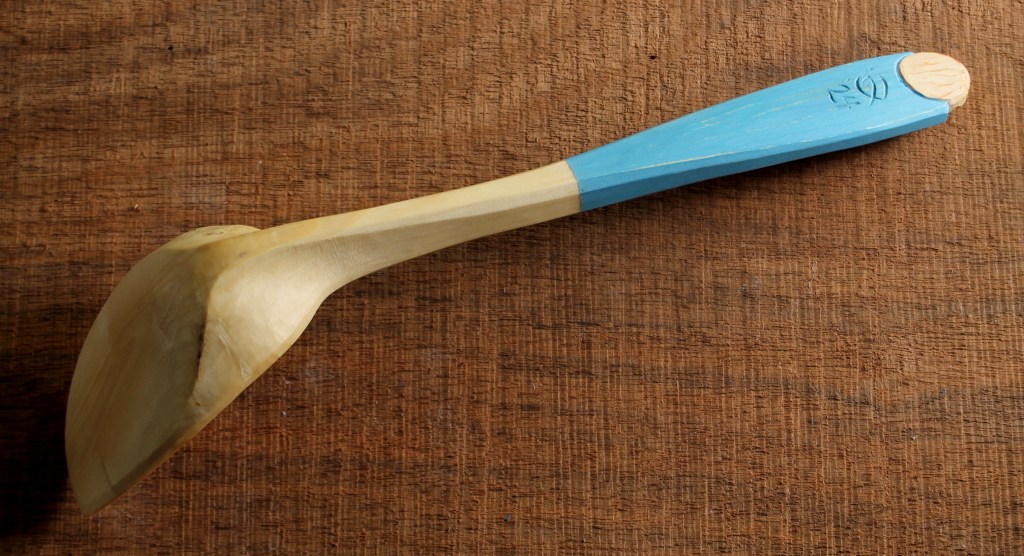
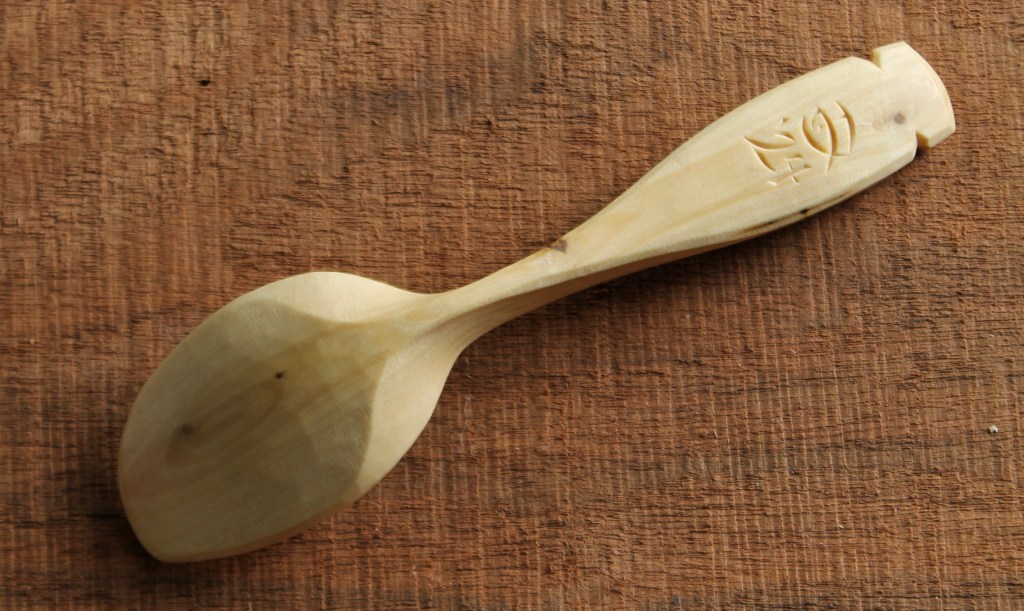
#8: Sugar Maple, 7 1/4″ x 1 1/2″. This one came from a tight little crook. As I started carving it, I was wondering what such a small ladle form could be used for. The thought of dipping olives from a jar or bowl was what came to mind. The lettering and finial followed. The hard maple holds the detail of the small letters well. A quirky little spoon for sure. $190 includes shipping. SOLD


#9: Magnolia Eating Spoon, 6 1/2″ x 1 1/8″. It was the pin knot on the handle of this short eating spoon that sparked the chip-carved design. Like ripples on a pond. $120 includes shipping. SOLD

 David Fisher, Carving Explorations
great selection! The fish one is a fun motif!
LikeLike
Beautiful Spoons, David! I live in SC, with plenty of magnolias around, but for some reason I thought the wood was toxic. A little poking around confirms what you already know (it’s safe), and now a new species of wood has opened up for my spooncarving! Thanks for sharing.
Also- I don’t know if you’ve watched any of the Chosen series, but the ‘independent fish’ is a central image in their opening credits.
LikeLike
I really enjoyed the magnolia, Drew. I don’t remember having carved any before, and I was happy to see that it was safe to use when I looked it up. I’m glad to hear the confirmation!
I wasn’t aware of the connection with the Chosen series. Thanks for letting me know.
LikeLike
Some very nice work!
LikeLiked by 1 person
David I’m jazzed to see how these turned out! We have two mature magnolias the wood is lovely but I end up seeing oxidation that leaves my spoons unappealing. Did you have any issues with that? You probably carved these at one go instead of keeping them in a plastic bag…
LikeLiked by 1 person
Matthew, I carve my spoons in two stages, green and dry. Any oxidation occurs on the surface as the spoons dry, but then it all gets carved away after the wood has dried completely, leaving a clean new surface that doesn’t change like in the green wood. So, while I do usually do the green stage carving in one go (and leave them pretty rough), that really doesn’t matter. You can keep them in a plastic bag while you’re still working through the green stage, just make sure it’s not so long that mold and staining penetrates deeply. You could always keep the bag in the fridge or freezer to discourage that. I sometimes split and axe out a bunch of blanks (not yet at a stage ready for successful drying), seal them in a bag, then put them in the freezer until I can get to them. Could be many months later.
LikeLike