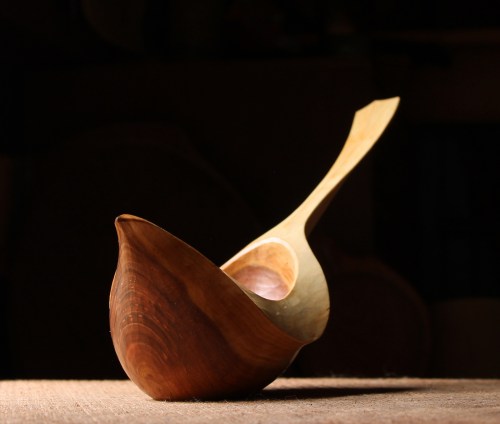
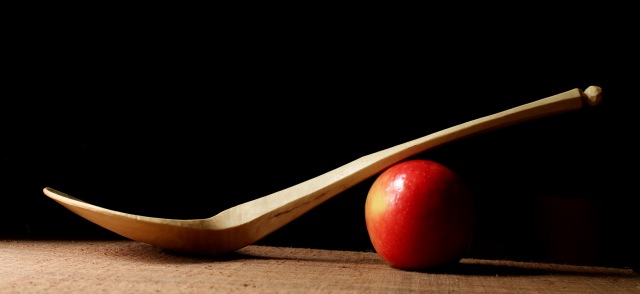
Spoons are cranky. Take a close look at just about any spoon, whatever the material, and you’ll find that the rim of the bowl of the spoon is not in the same plane as the handle. The angle between them is not typically a flat 180°. It’s more ergonomic to have the handle raised up to some degree relative to the bowl. The angle varies depending on the intended purpose of the spoon. A stirring/cooking spoon might have a handle raised up just 10°-15°. Most eating spoons are a bit higher, in the neighborhood of 15°-20°. Servers can vary all the way up to a deep ladle approaching 90°. Don’t get caught up in the numbers, though. Curves through the handle and bowl rim make measuring any actual angle pleasantly fuzzy, and I don’t measure when I’m making them. Trust the feedback that comes from your hands and eyes as the spoon takes shape.
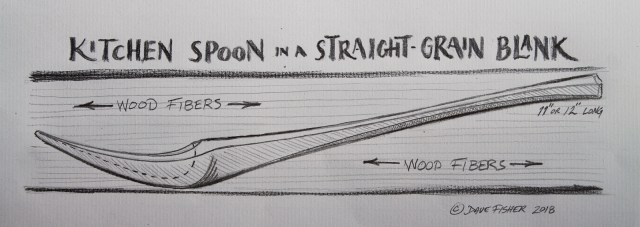
Not an exact plan as much as a general idea of orientation.
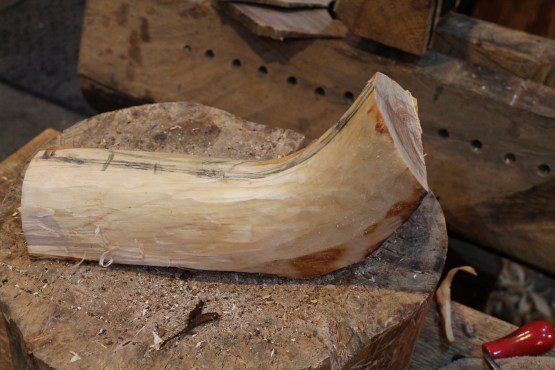
Crooked branches establish much of their own crank when they are split, and they often allow for significant bend while still maintaining strength through the long fibers of the wood. And even when the bend in the spoon is relatively shallow, if carved from a crook, it can be carved thinner than the same spoon from a straight-grained blank. While crank can still be achieved from straight-grained blanks, I don’t push the bend too far or make the bowls too deep.
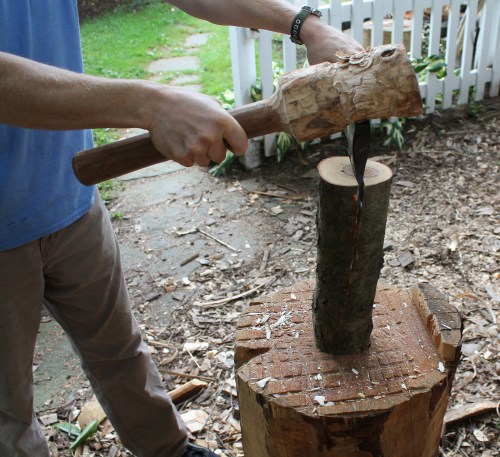
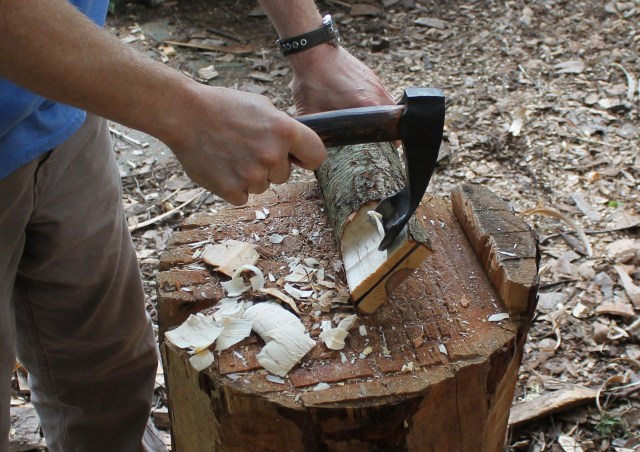
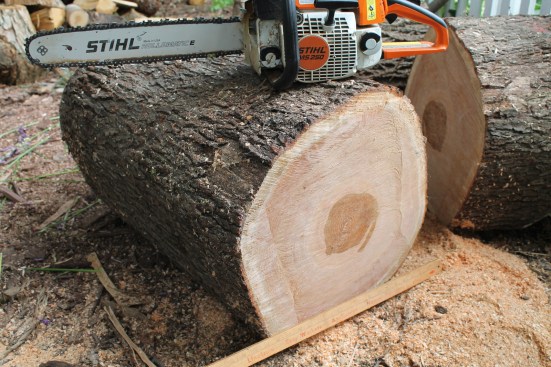
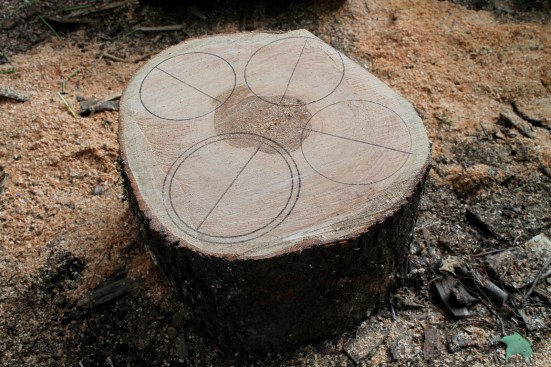
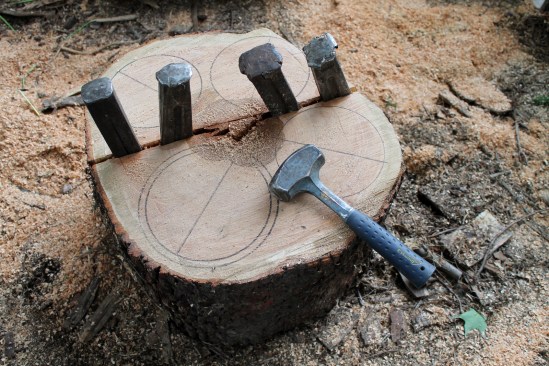
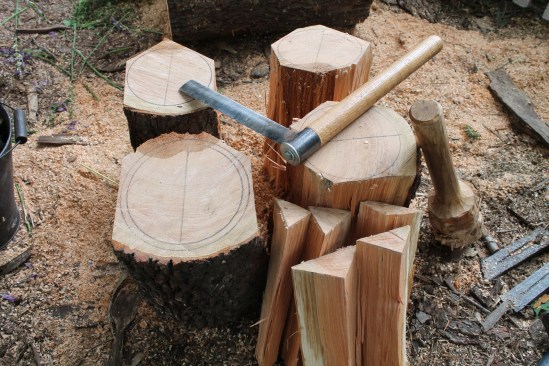
While roughing out a spoon yesterday from a straight piece of cherry, I took some photos through the process, this slideshow shows how I go about it, including achieving the crank in a straight-grained blank.
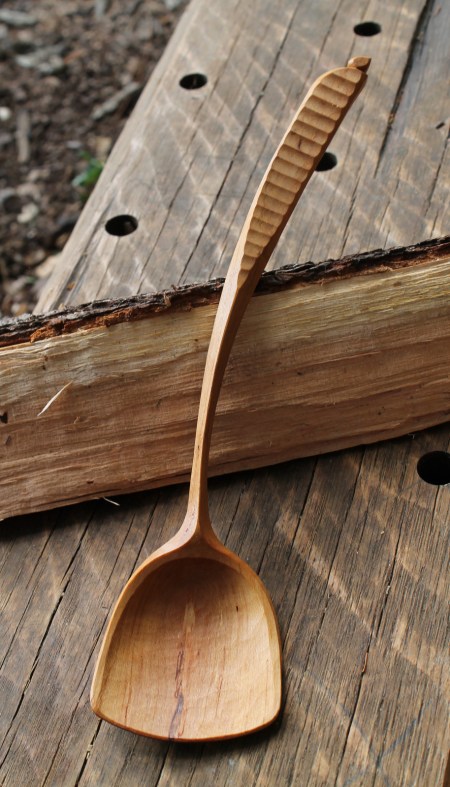
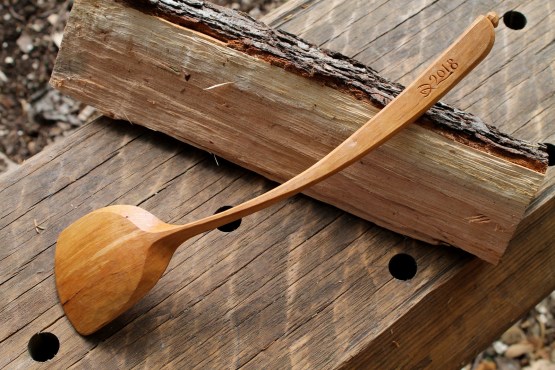
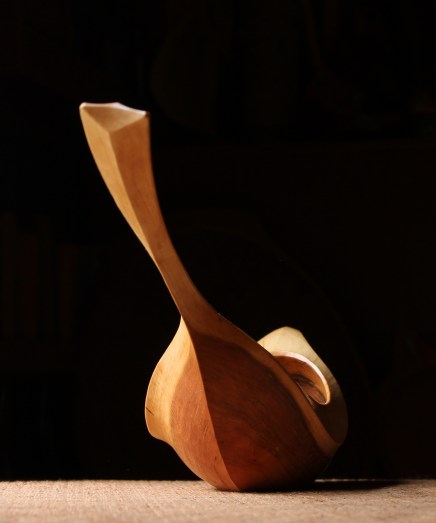
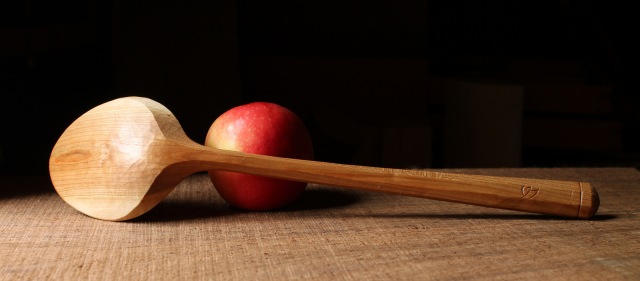
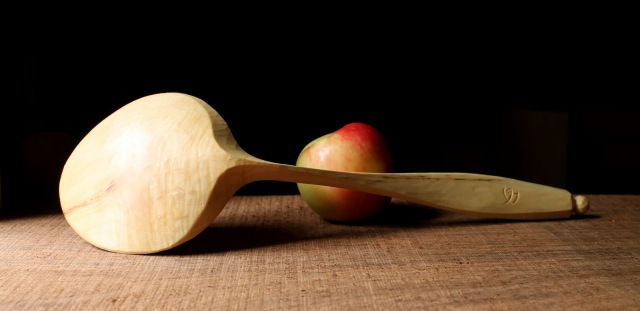
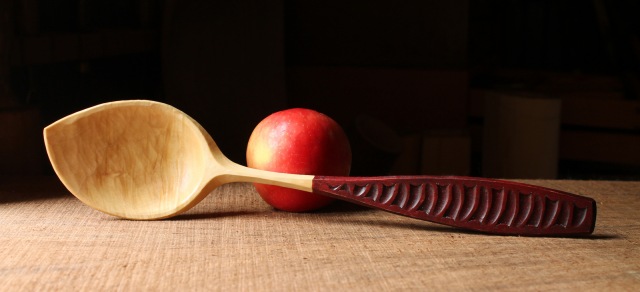
The procedure is similar for crooks, while taking into consideration the unique flow of the grain in each one. Here’s a serving spoon from a cherry crook that I just finished. 14″ long, 3″ wide. I’ll be boxing it up to send to North House Folk School for the auction coming up soon. I know there will be lots of others as well. Still time to carve yours!

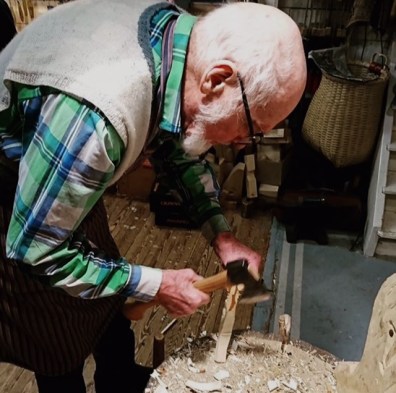
 I’ll have mine in the mail before long. Beautiful cool day today, perfect for carving.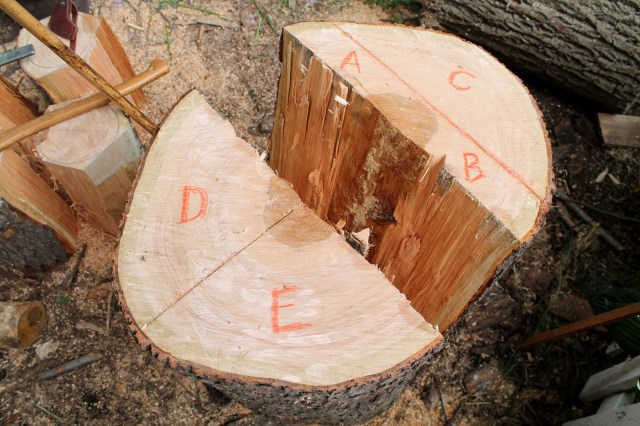




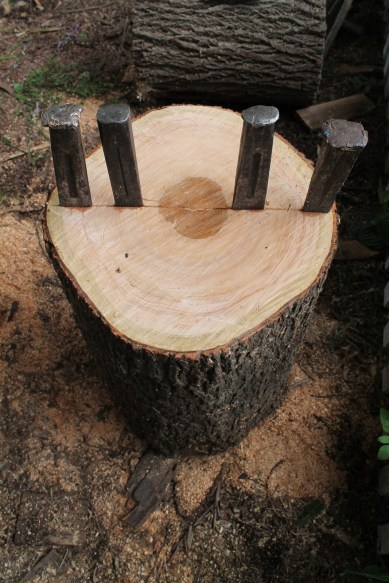


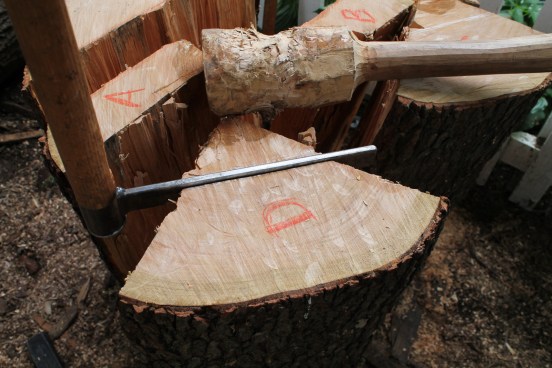
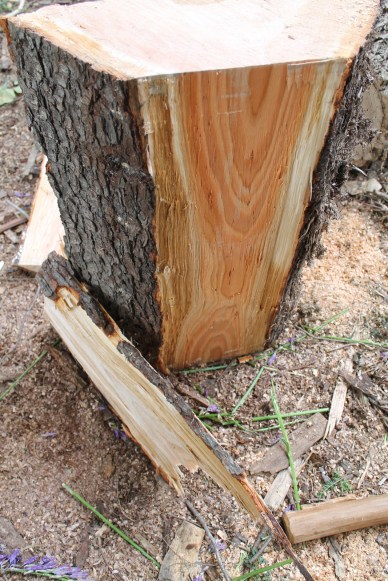





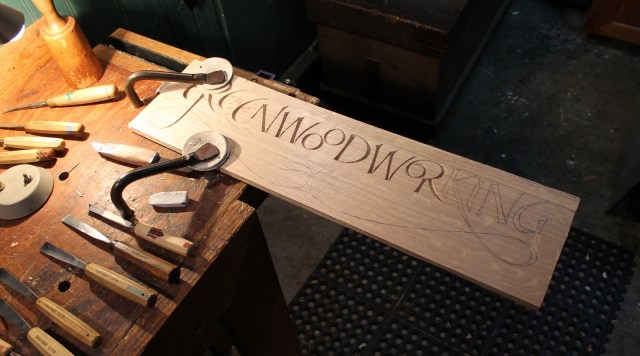
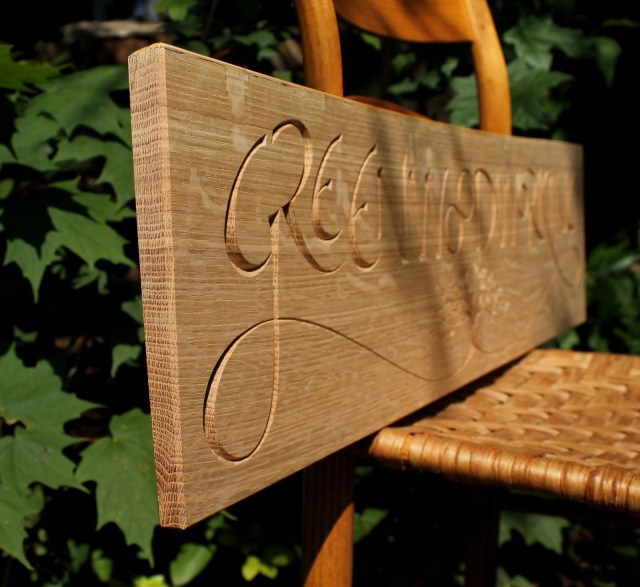
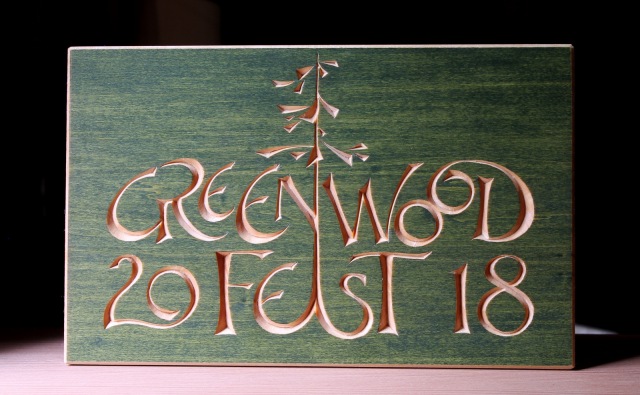
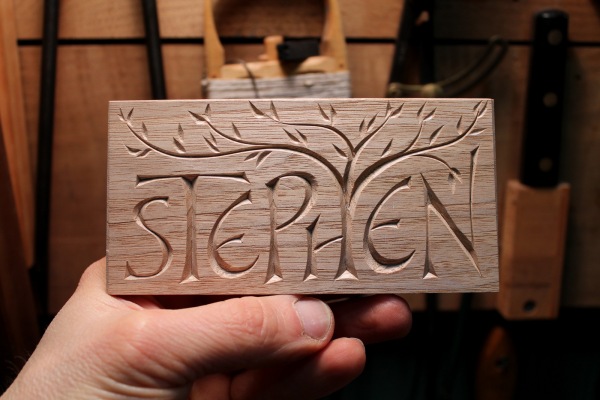
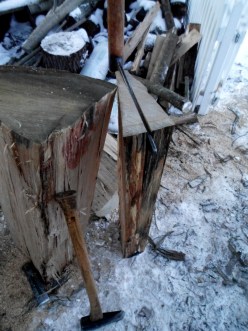 When I mentioned the sign project to Peter Follansbee, he said without hesitation “Well, it has to be carved in riven oak.” The relationship and collaboration between Follansbee and Alexander goes back decades, beginning at Drew and Louise Langsner’s Country Workshops. Fortunately, I had already riven a board for the sign from a white oak log back when snow was still on the ground.
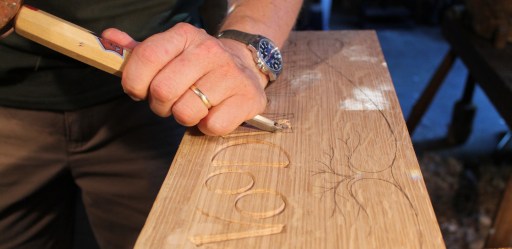


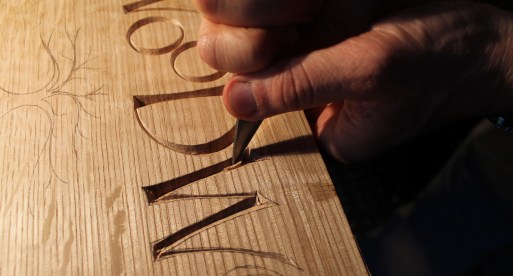
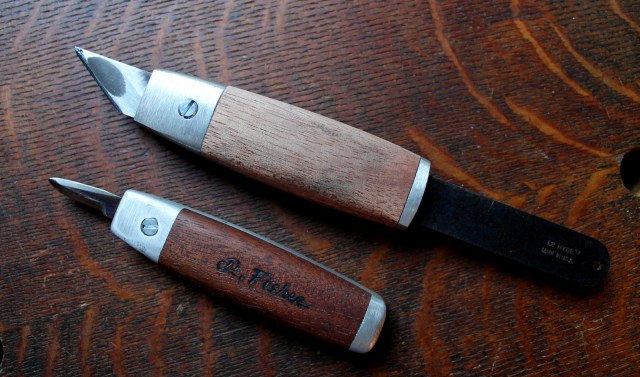


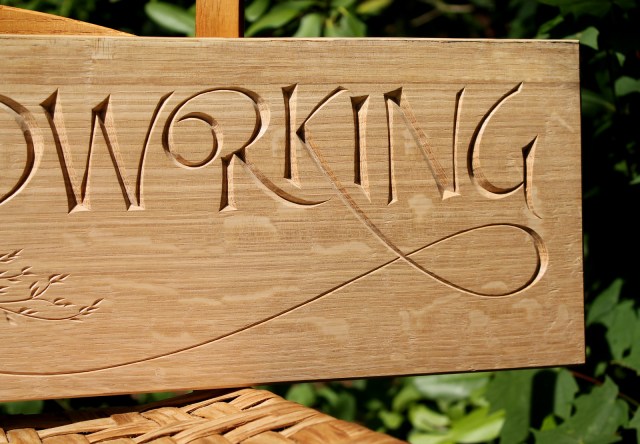




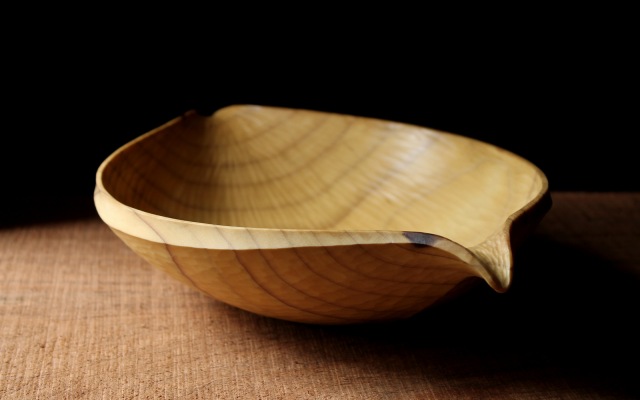
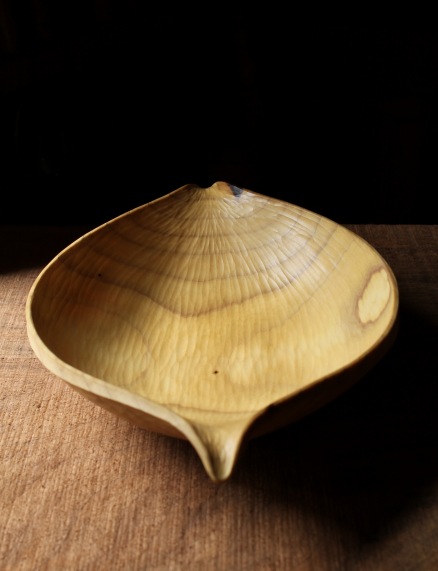 I’d like to include a sign with each bowl that reads, “Please touch.” Then again, I hope that the invitation is implied and the wish to do so is instinctive. The warmth of wood and the varying textures left from the tools tend to draw the hand.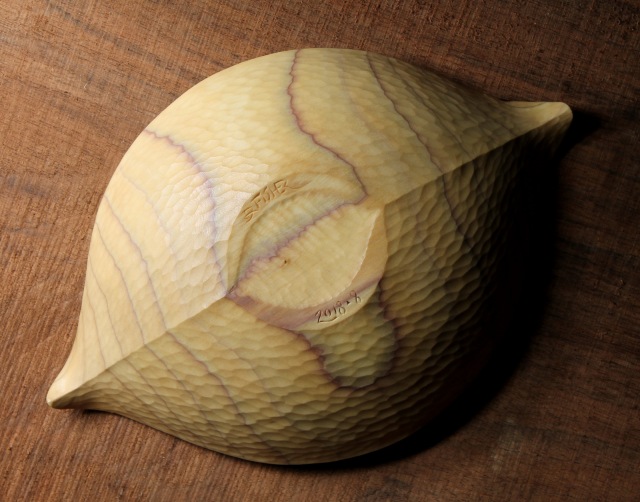









 David Fisher, Carving Explorations