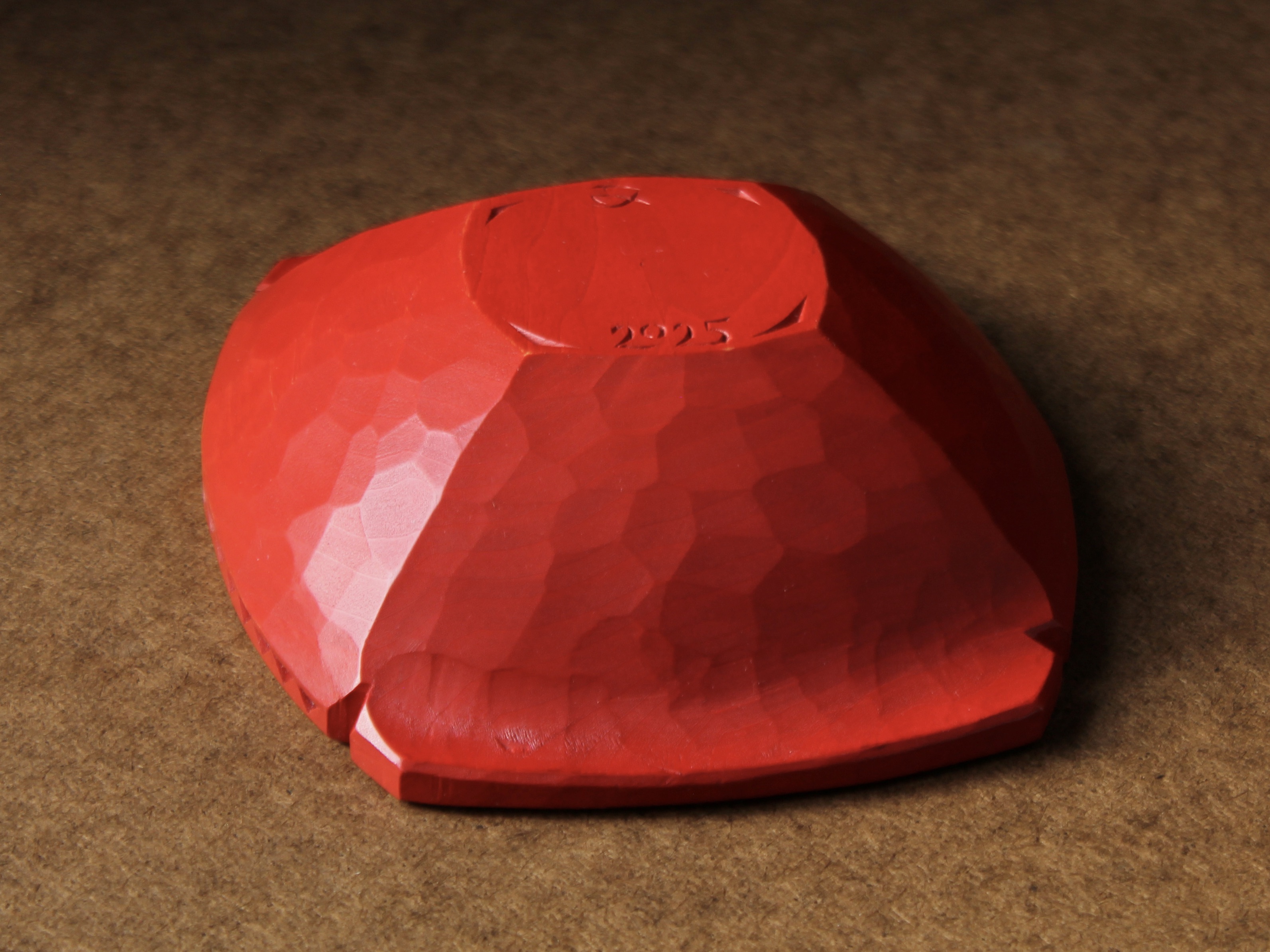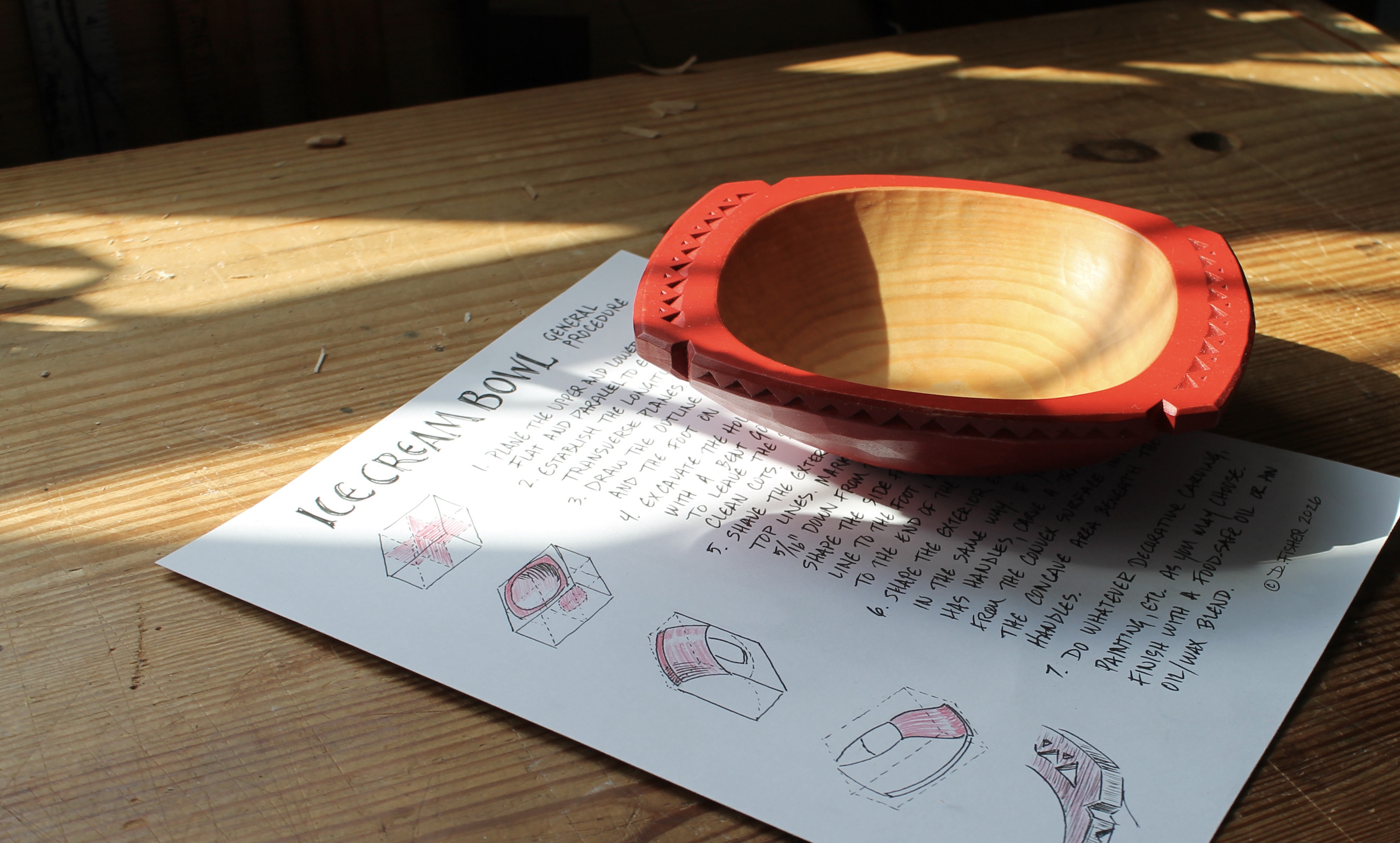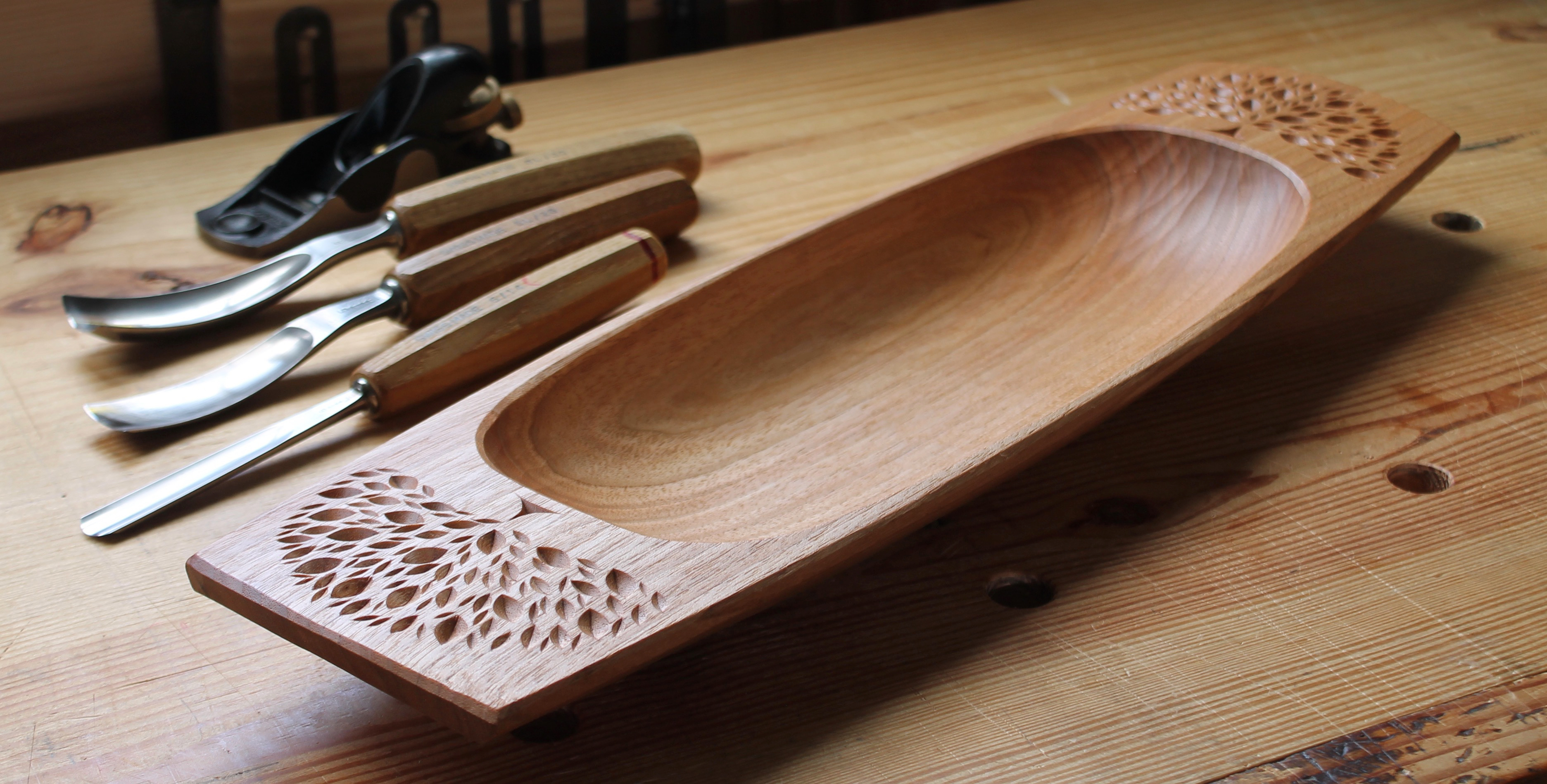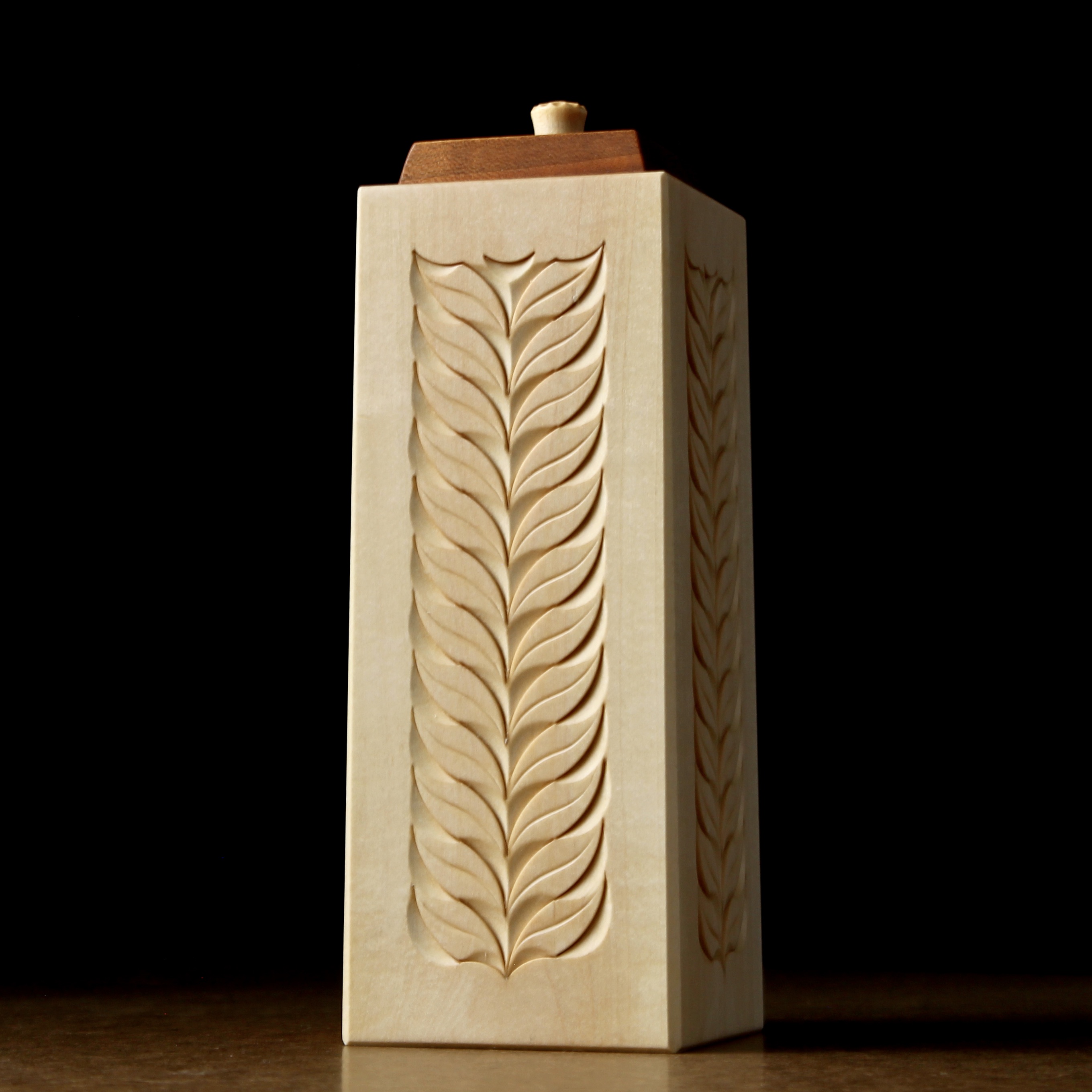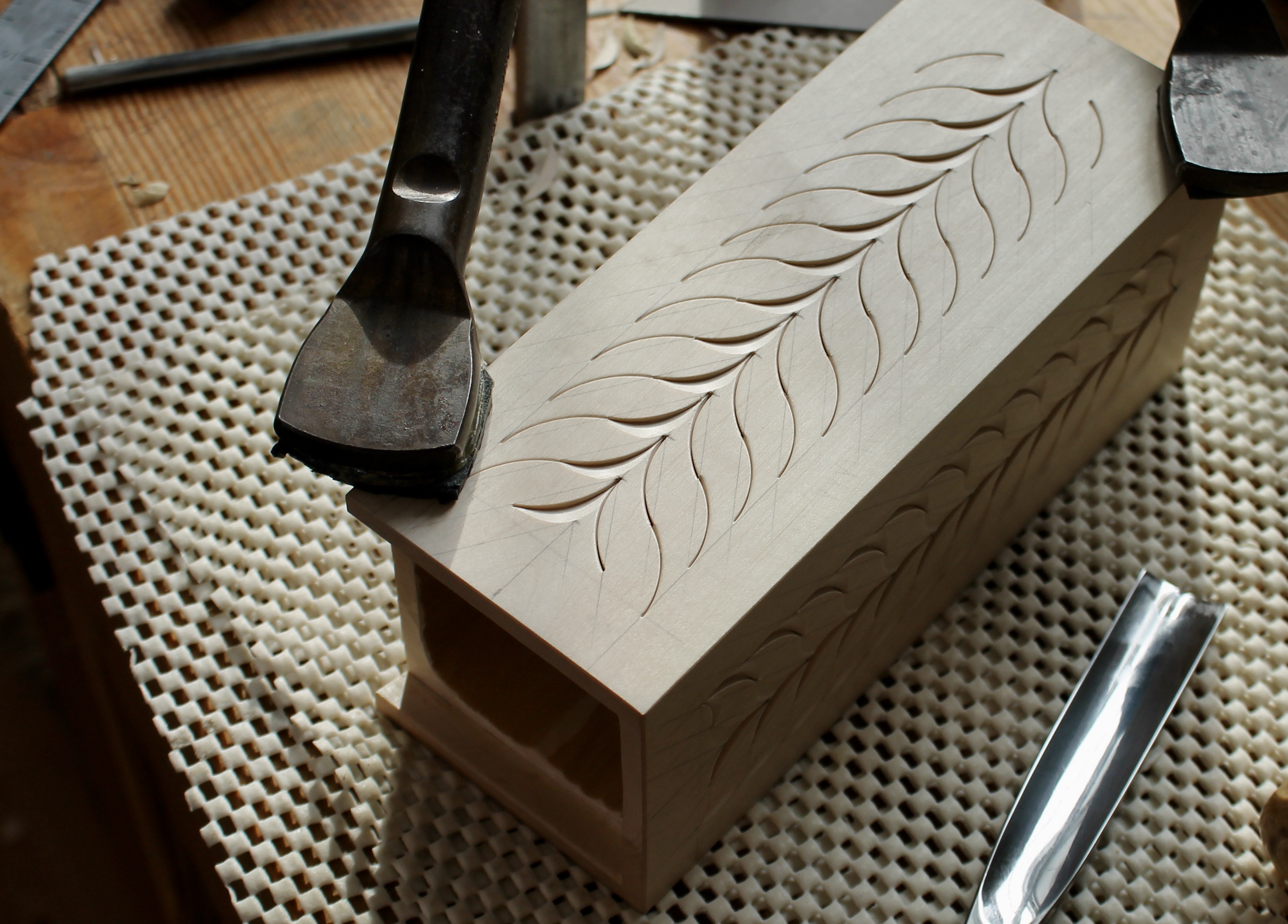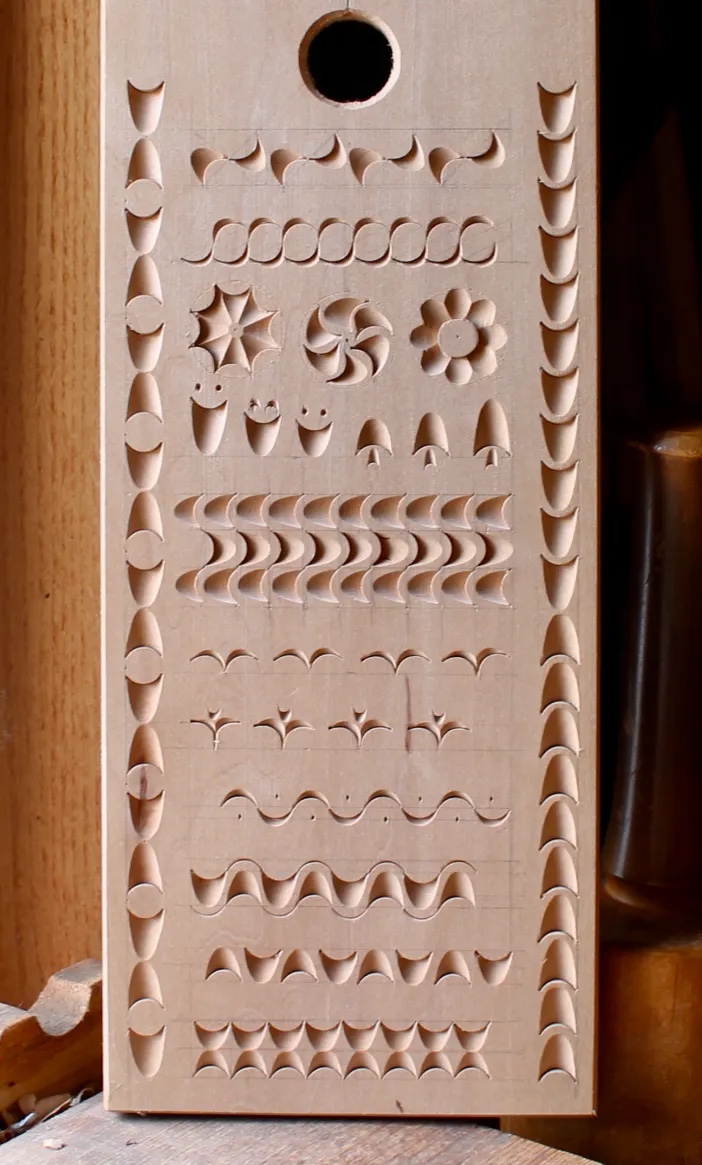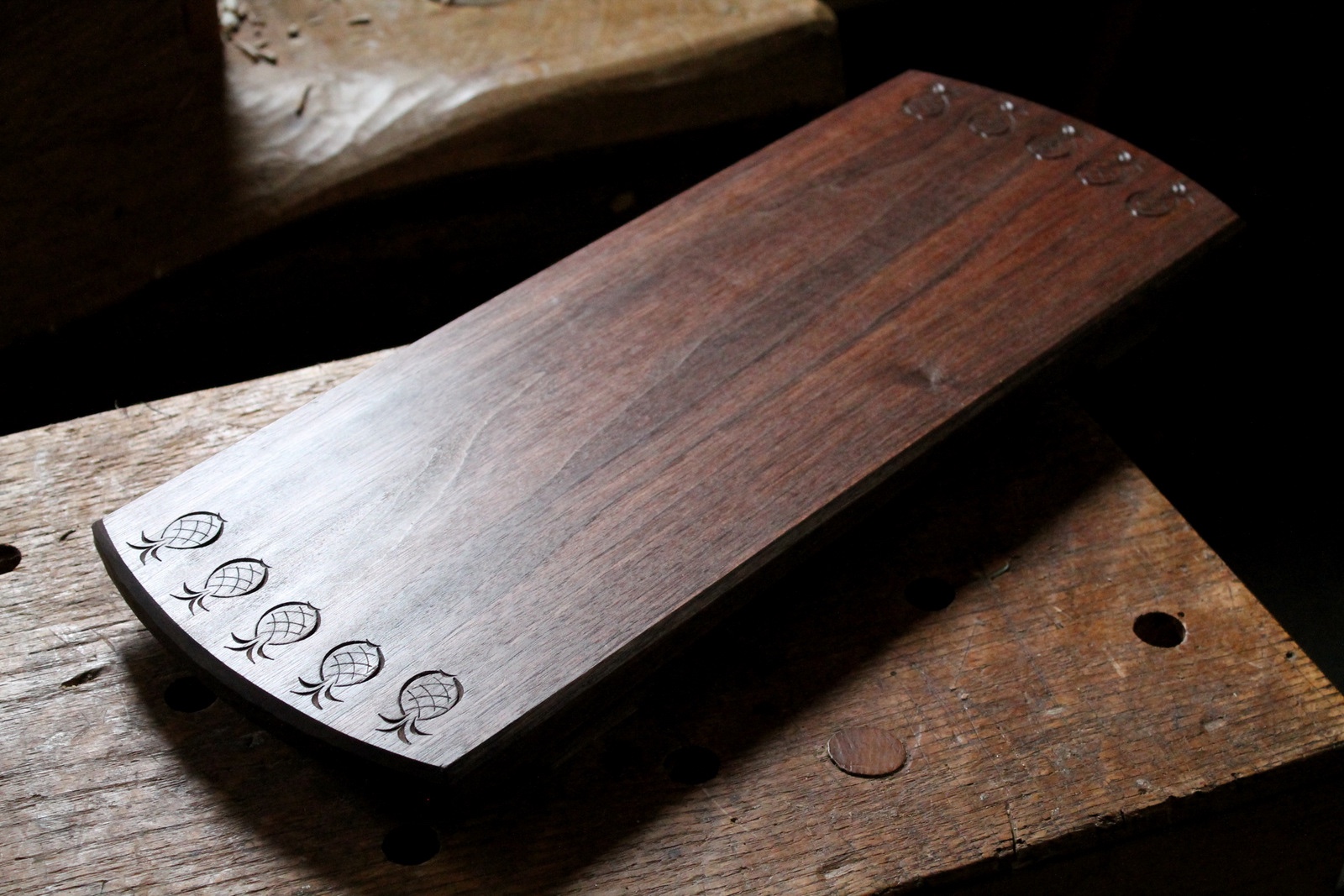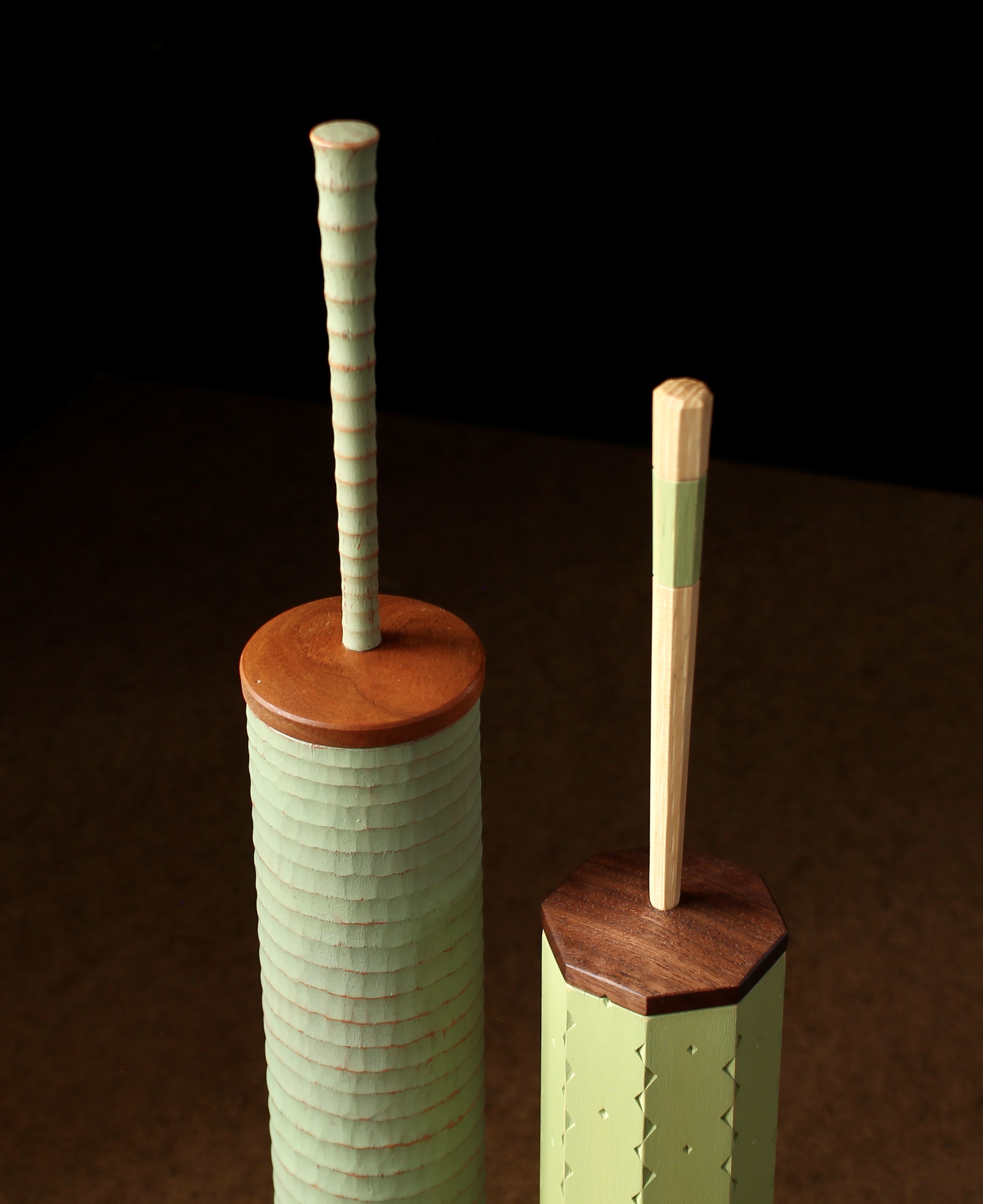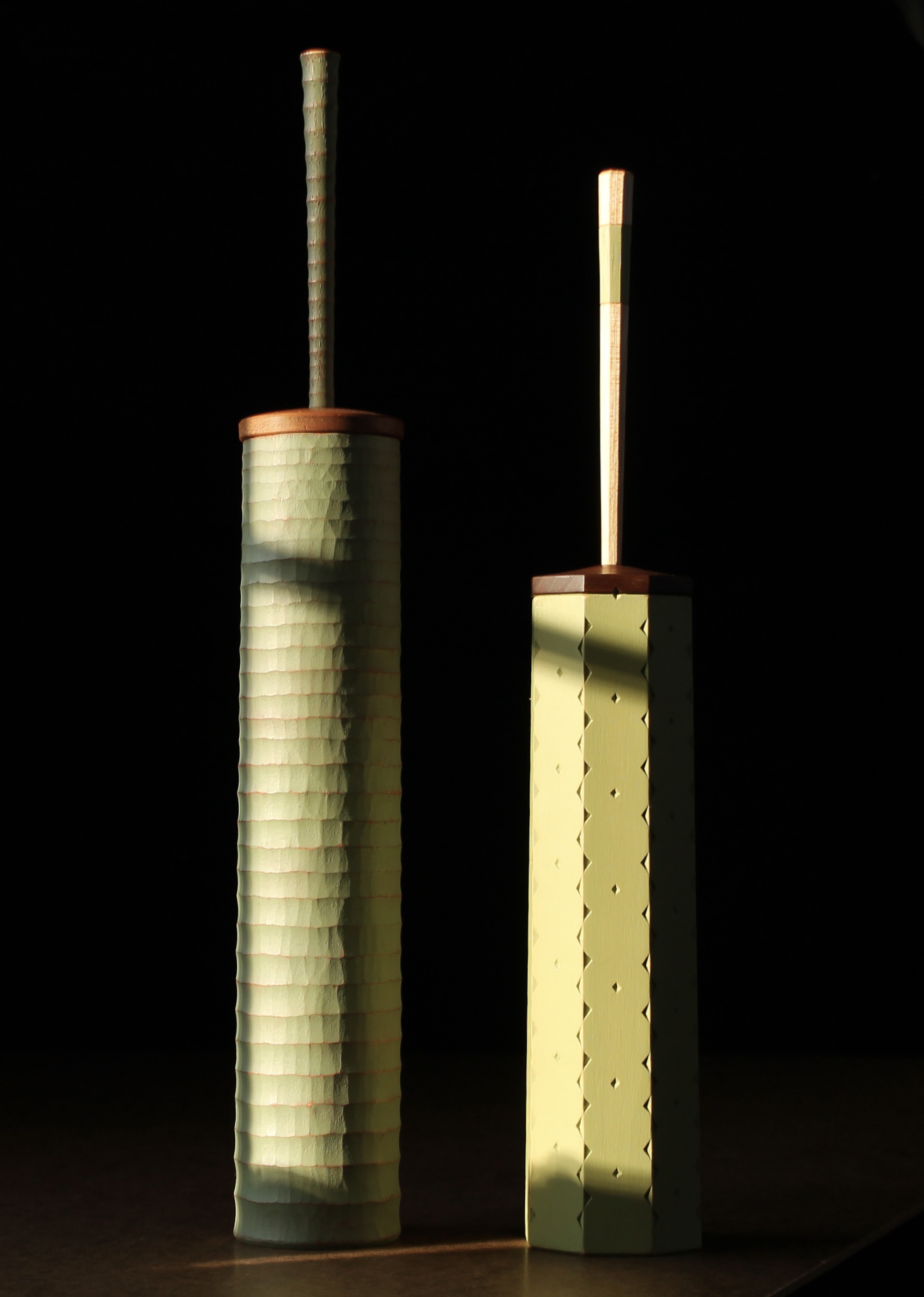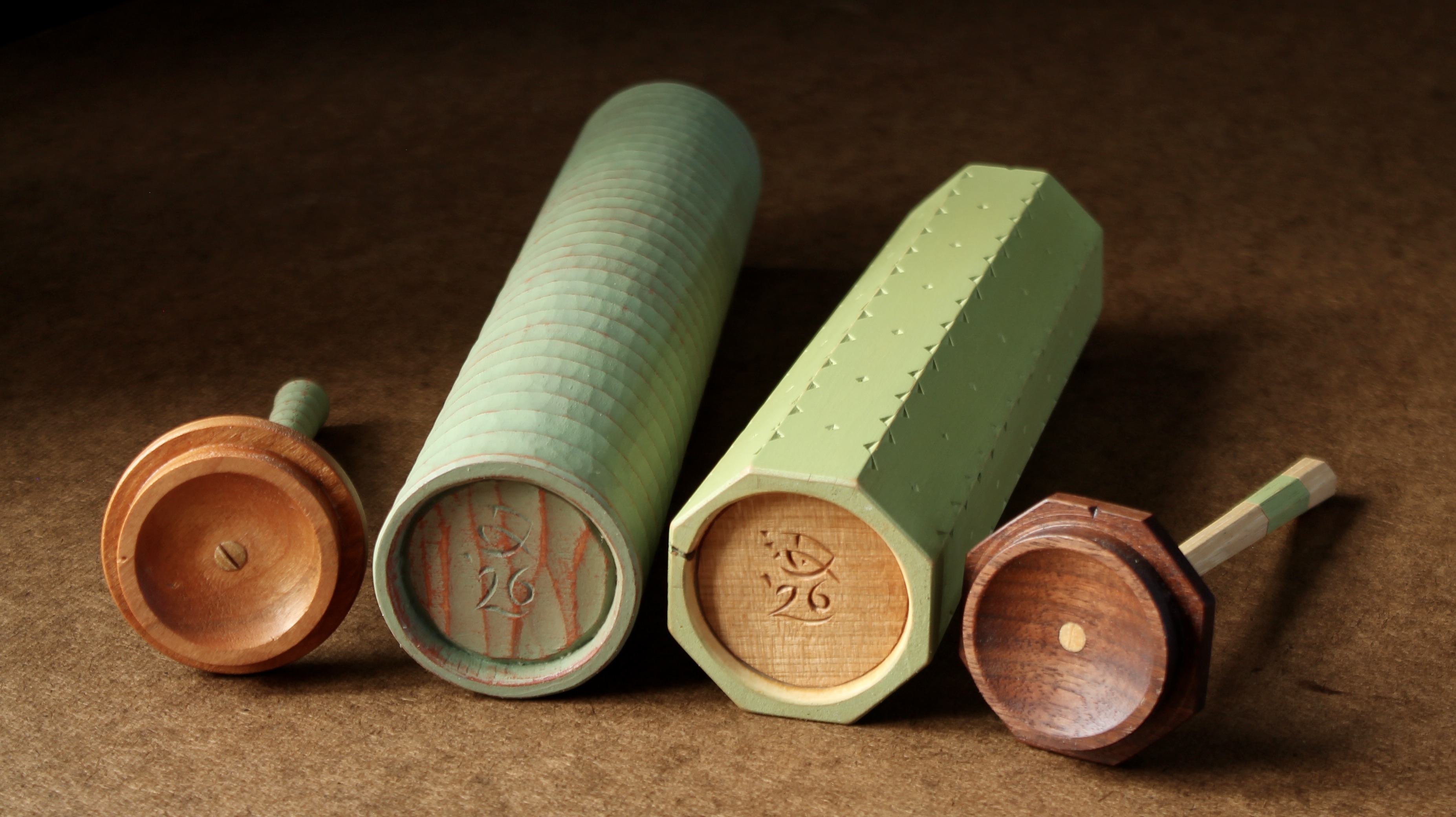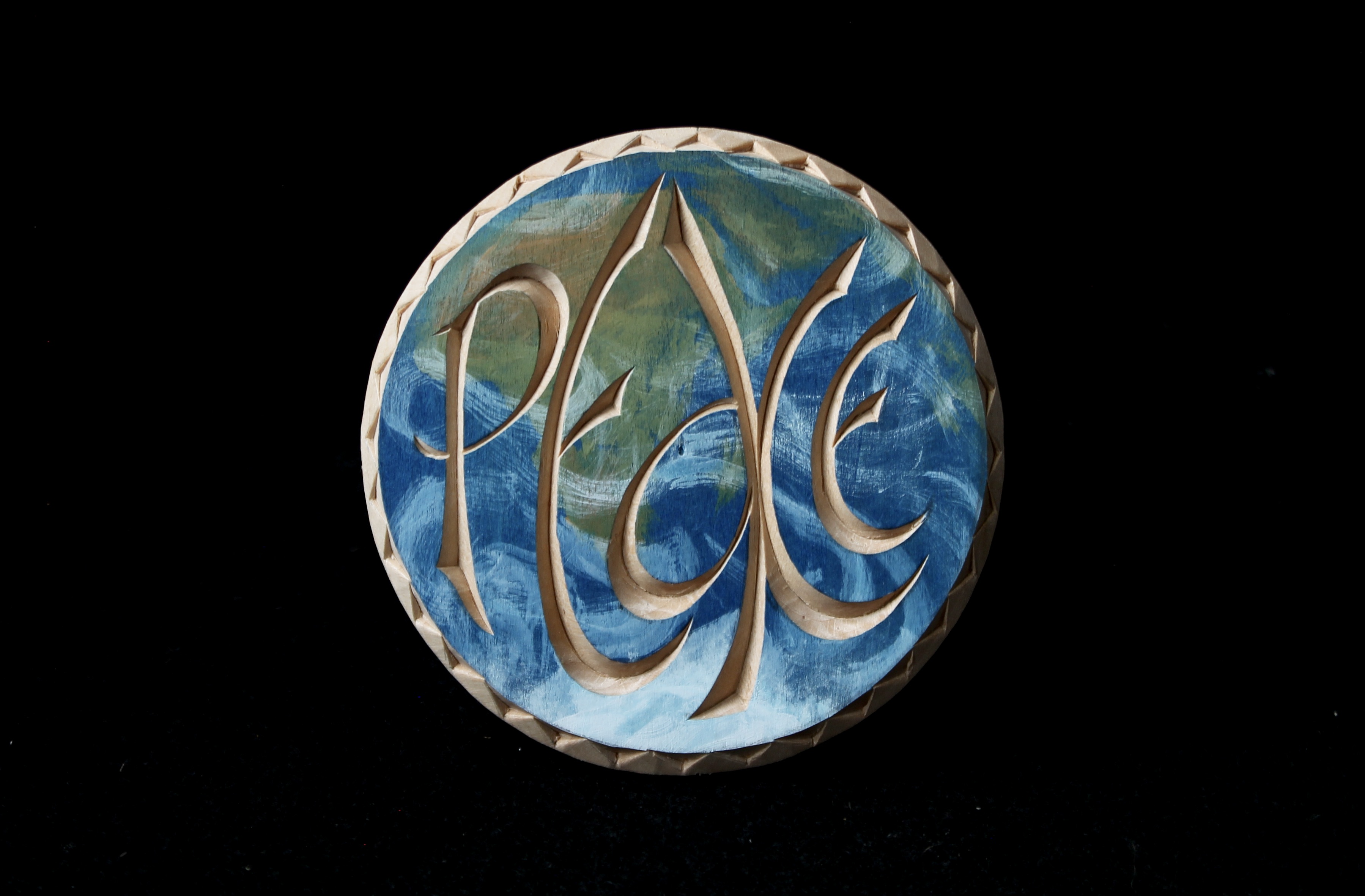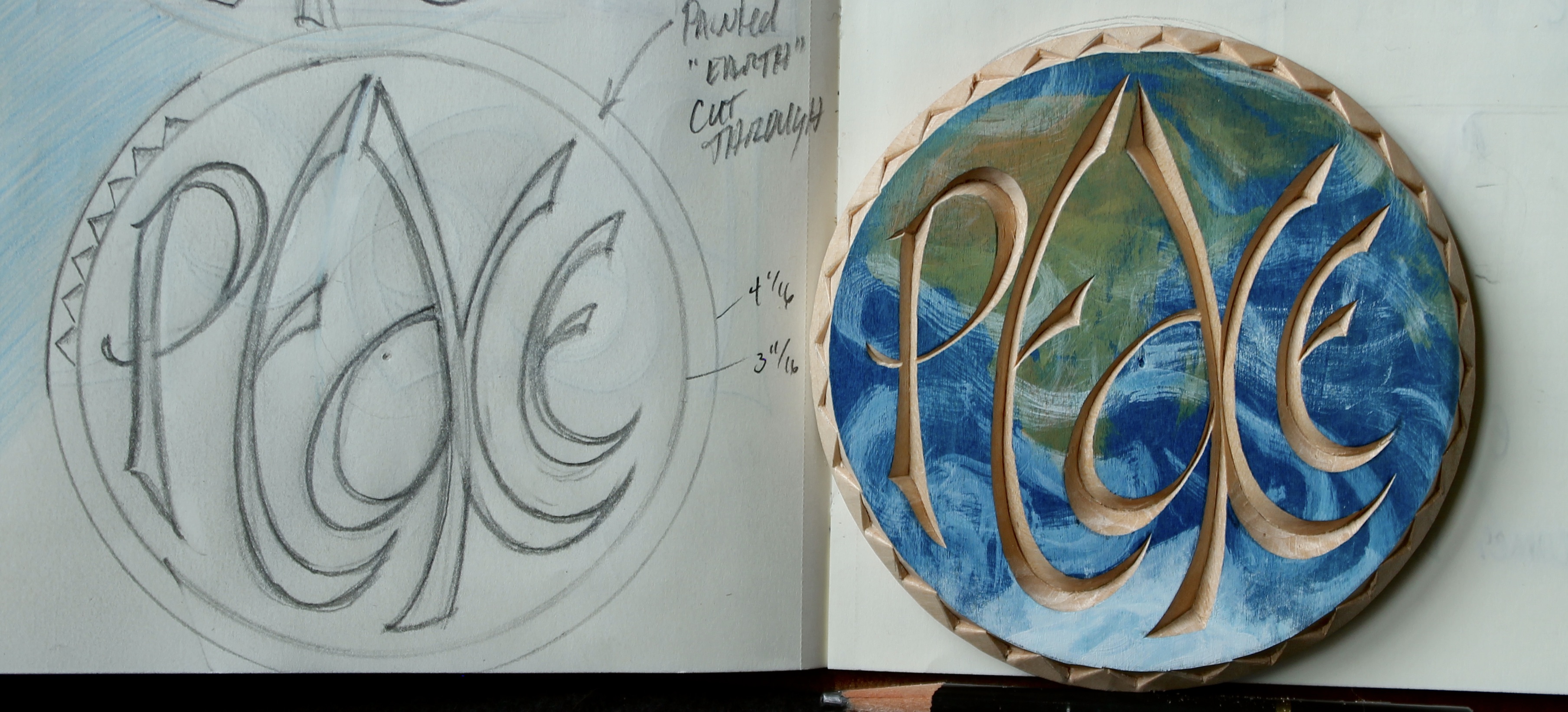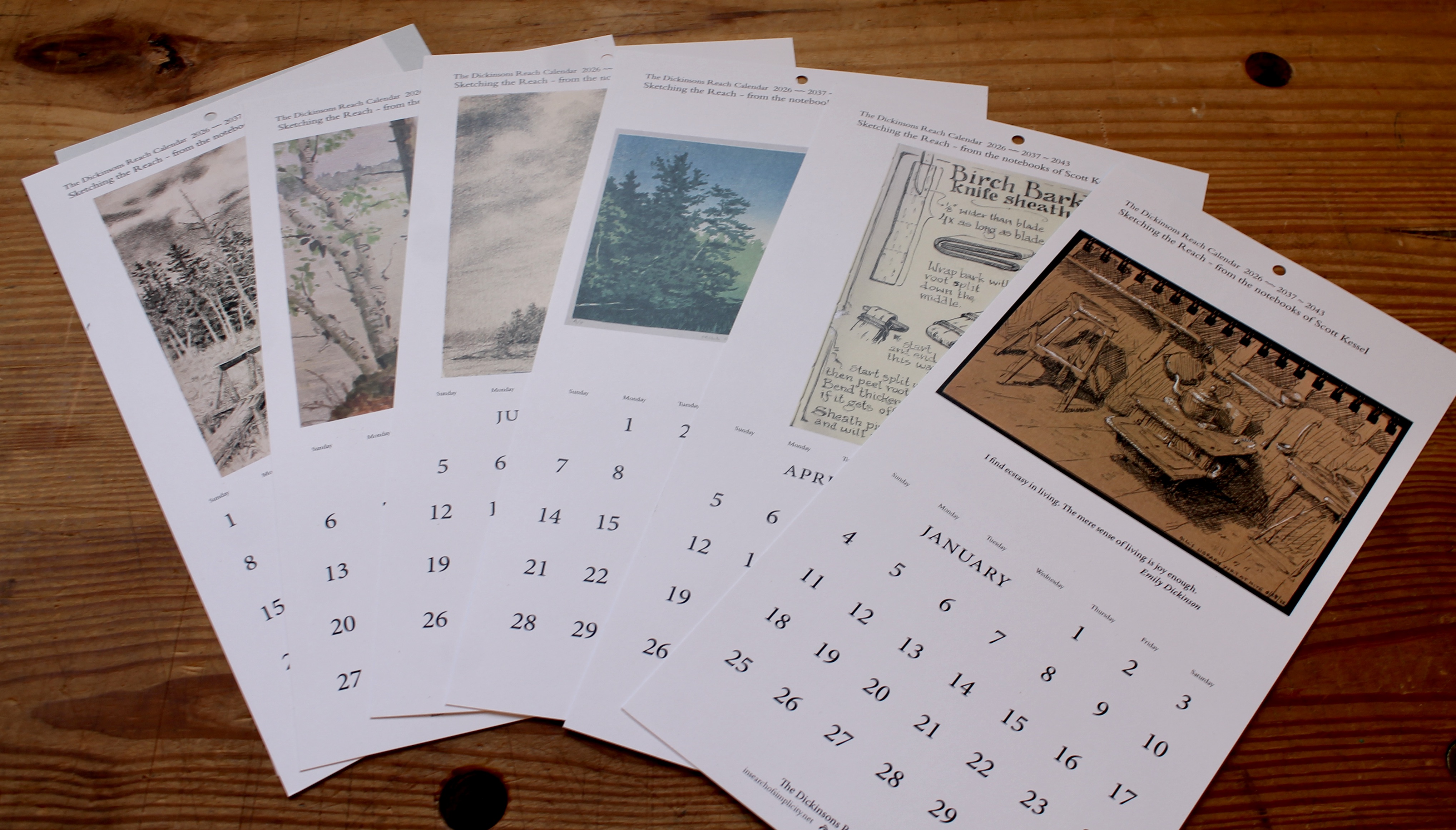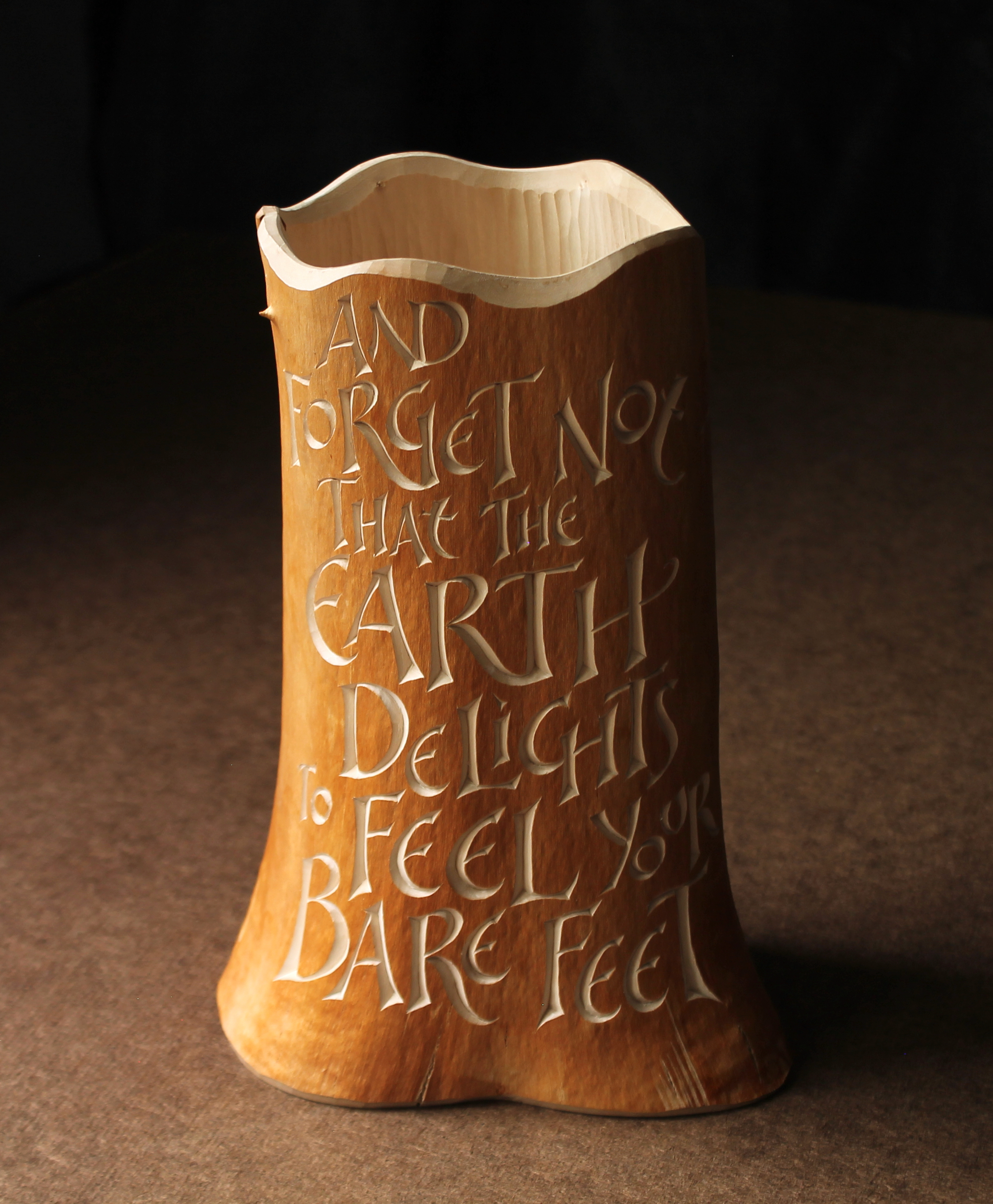
Peter Galbert Workshops 2026

Not to interrupt your holiday preparations, but just a quick post to let you know that Pete Galbert has just published his full schedule for 2026 at Peter Galbert Workshops. It’s a great lineup of classes with Peter Galbert, Peter Follansbee, Tim Manney, Andy Glenn, Bern Chandley, and newcomers (to Pete’s) Chris Schwarz, David Douyard and Eric Goodson. You can check out the whole schedule HERE. Registration opens up on December 28th.

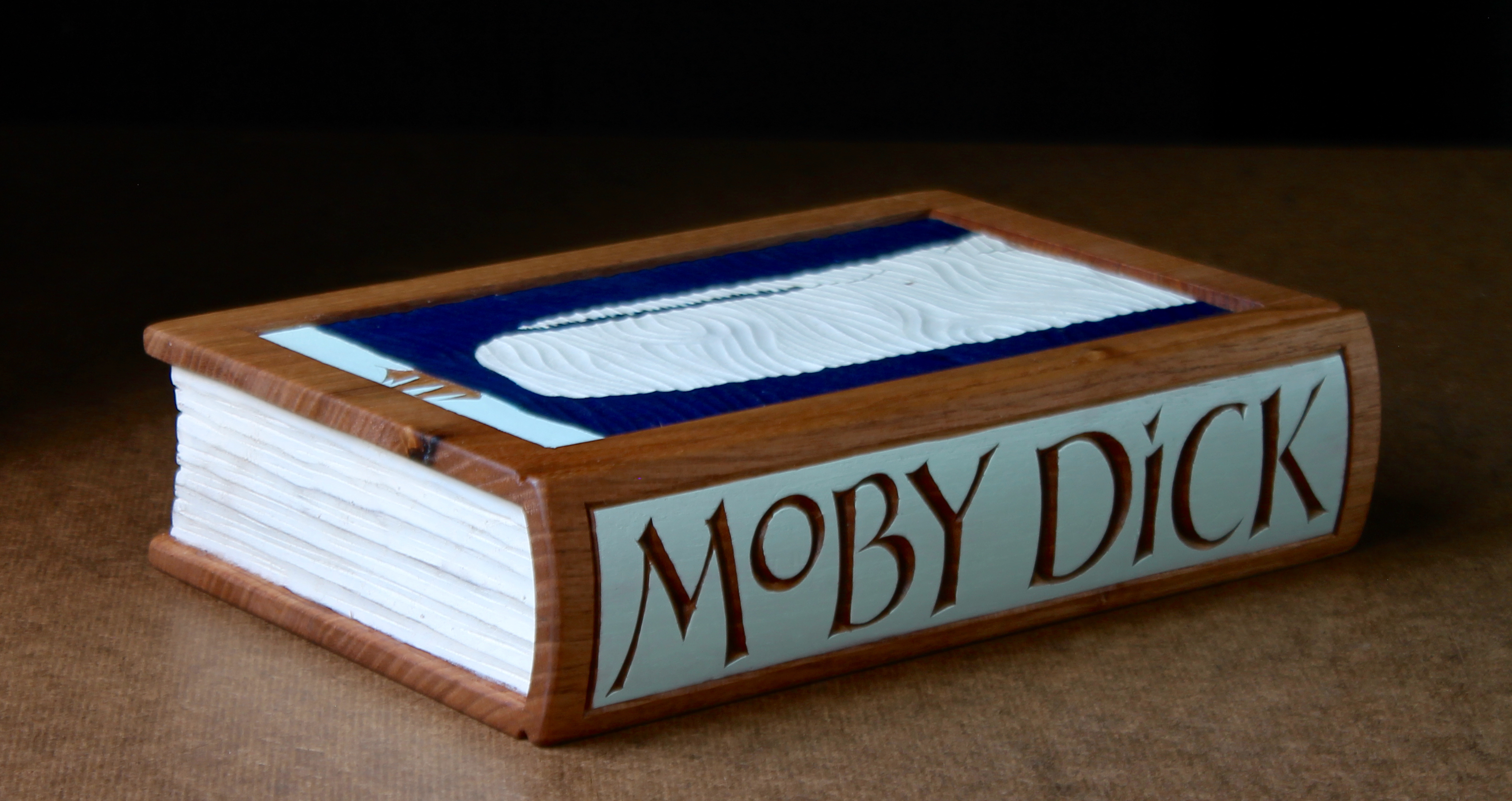
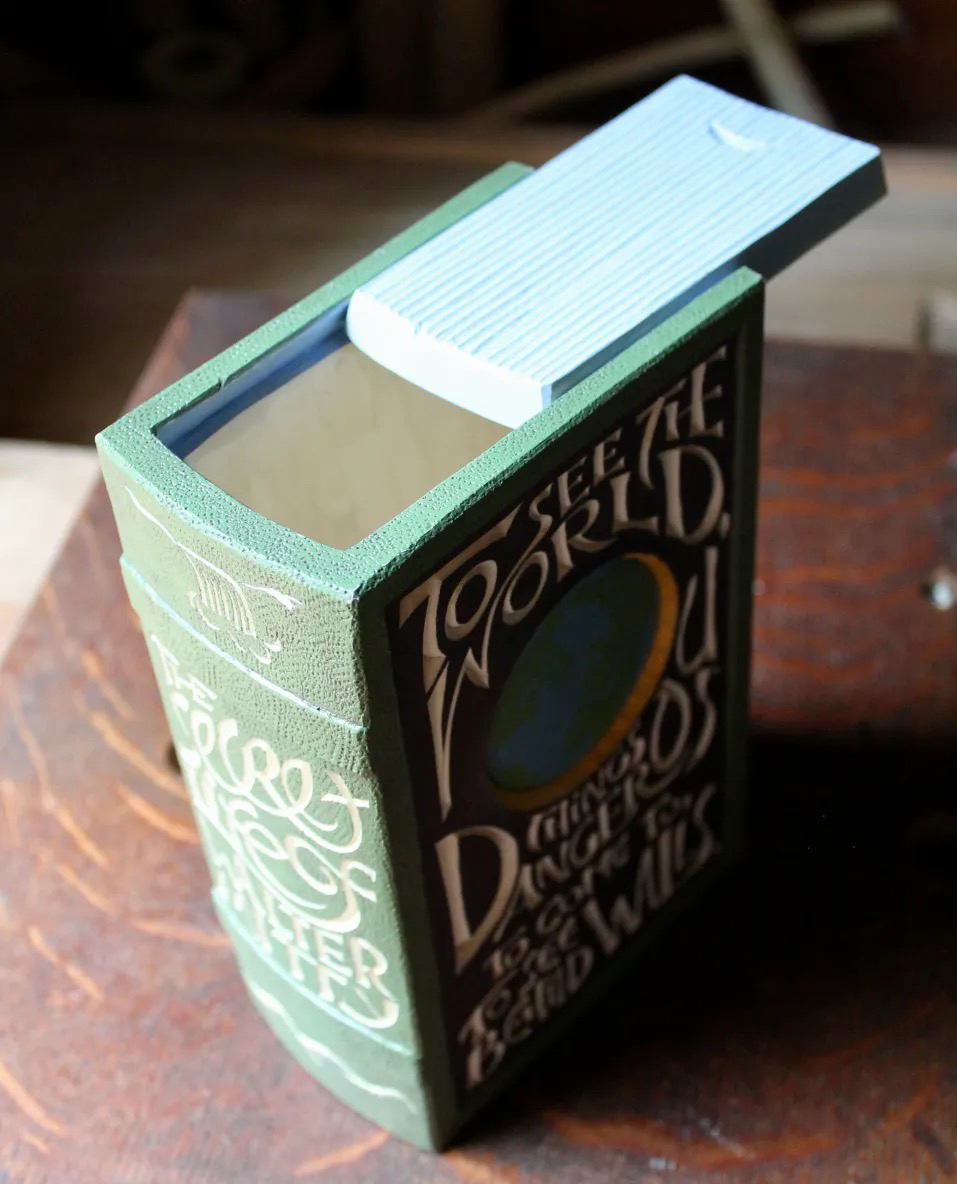
I’ll be back again teaching a new class in which we’ll explore container making and letter carving. Here’s the description:

In our week together, we will explore container-making with both green and dry wood including the making of a box in the form of a book.  These projects will provide ideal canvases for decorative carving and letter carving, and we will practice both before employing them on our projects.  In addition to carving techniques, we will work to develop individual designs that are meaningful, aesthetically pleasing, and sympathetic to the material and overall forms.  As always, we will also work on important tool sharpening goals and procedures.

First in June, then again in October. I’m looking forward to it!


Posted in classes, Uncategorized | 5 Comments

Hal Borland on Snow

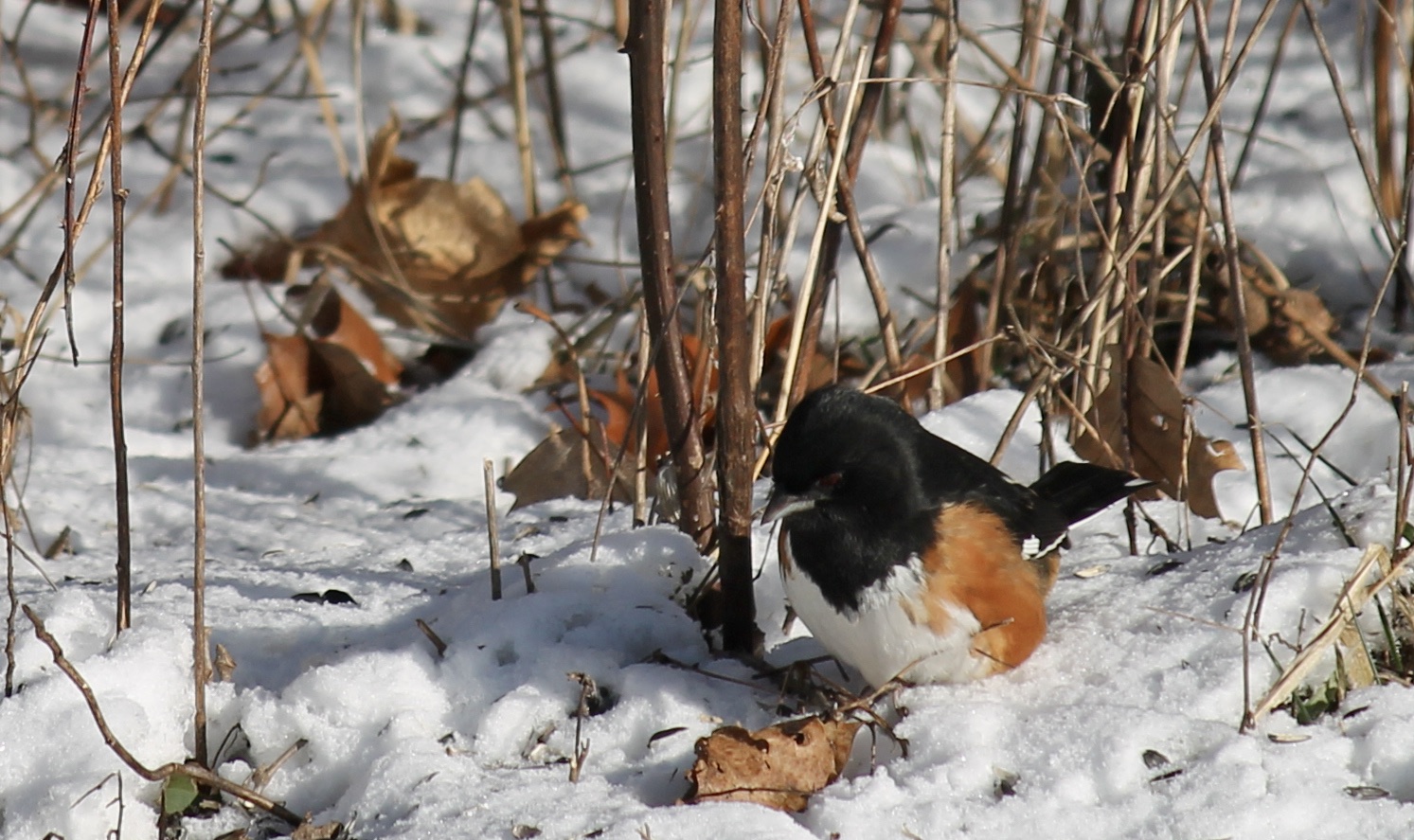
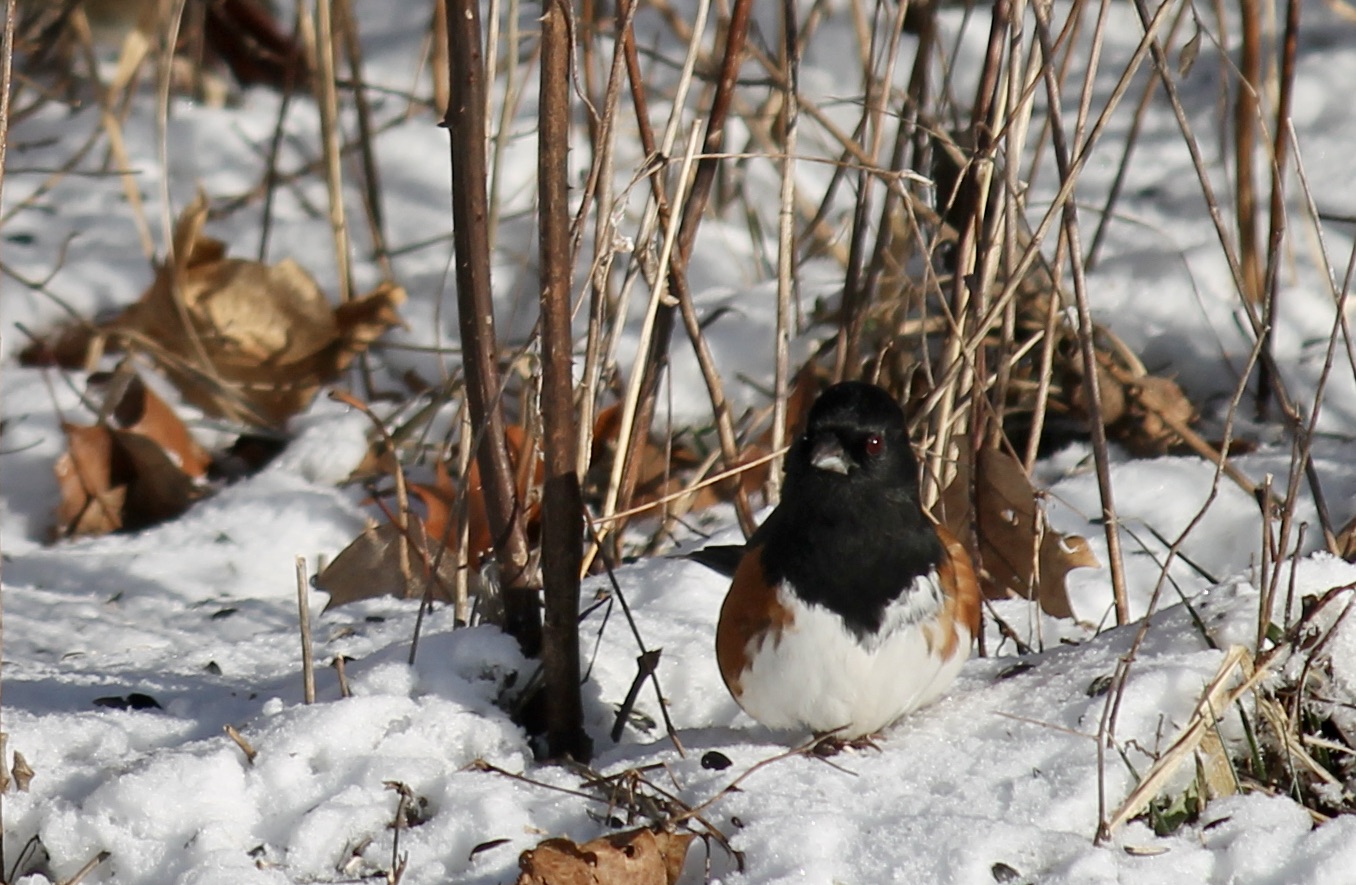
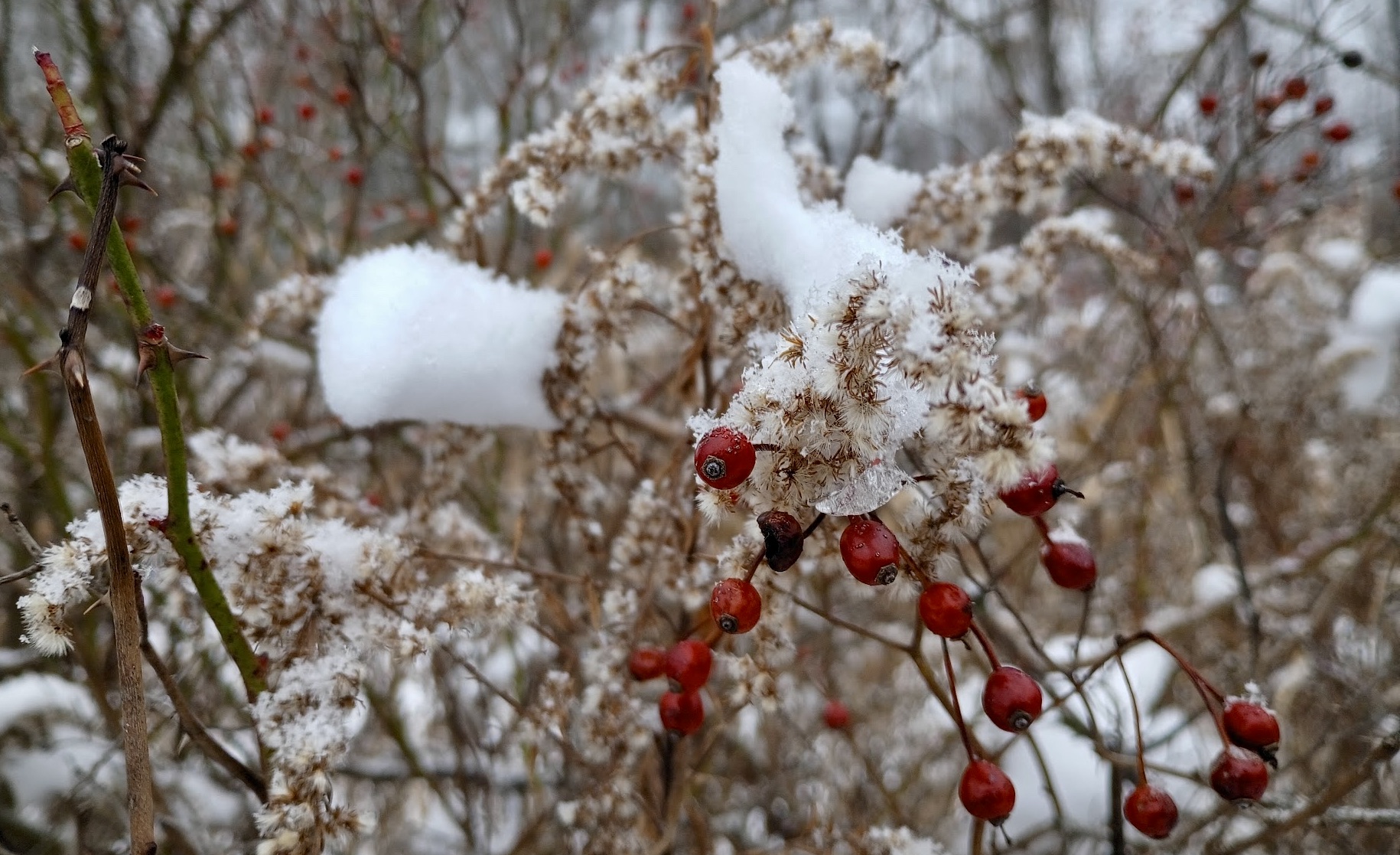
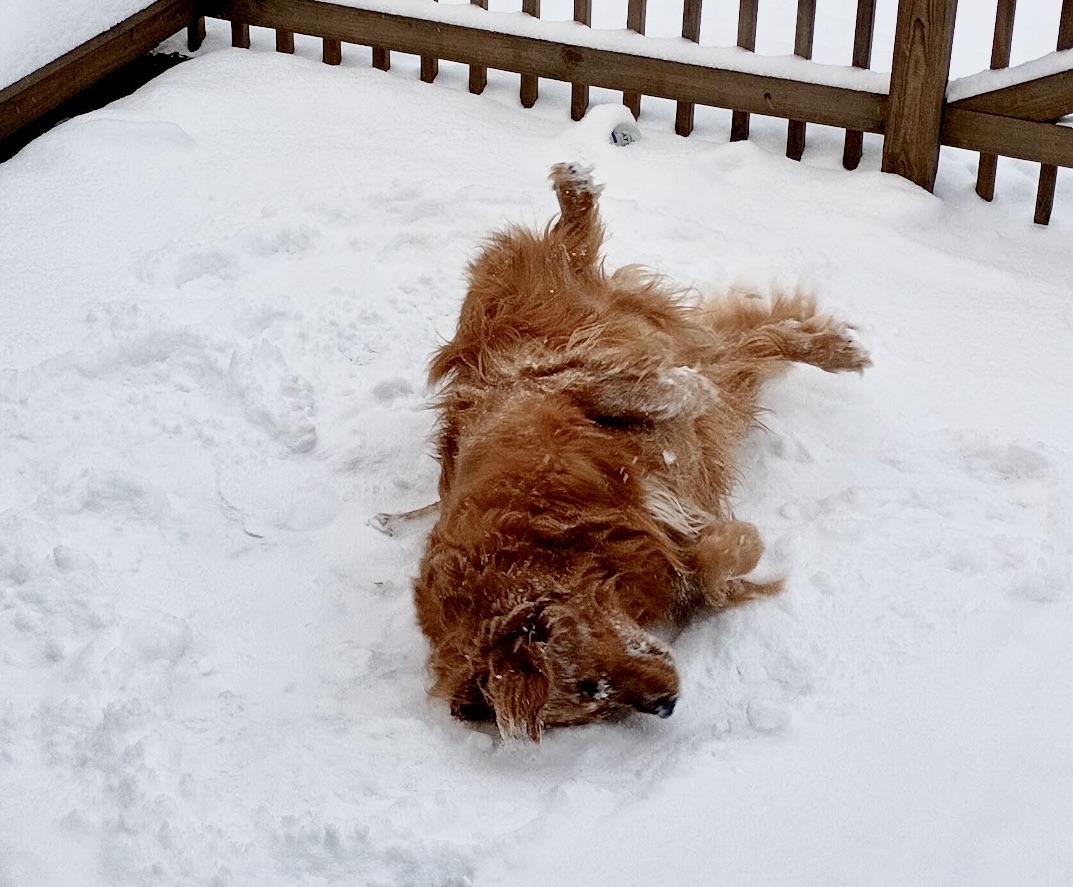
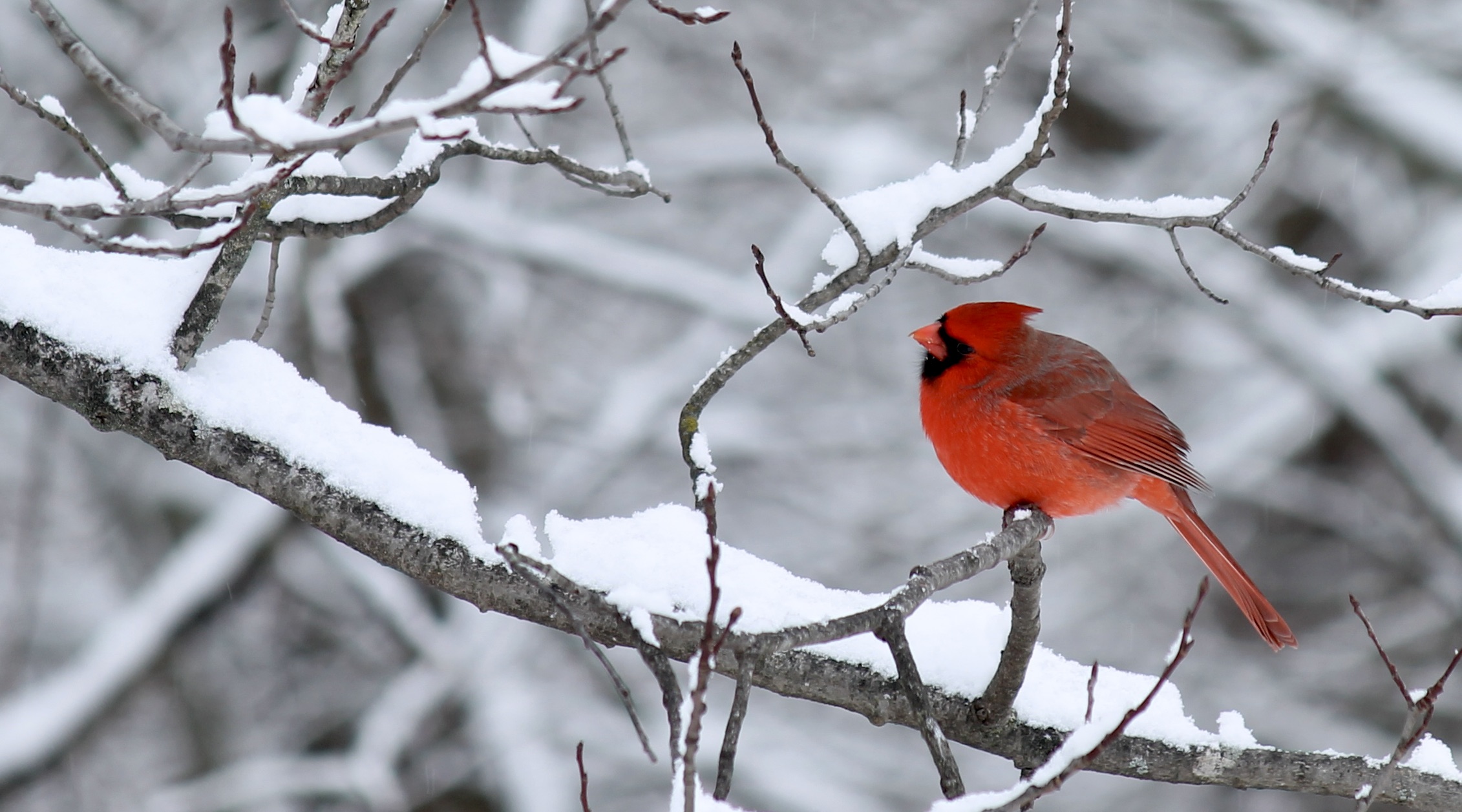
I’ve taken a few photos during our snowy December here. I’ve paired them with words from an essay Hal Borland wrote in 1961, from his essay collection Sundial of the Seasons (1964):

One of the penalties of modern life is the loss of appreciation of snow… To travelers everywhere snow is a blinding, slippery hazard to foot and wheel and wing.

Yet the snowflake, of itself, is a thing of fragile, evanescent beauty. it is a delicate water crystal, one of the most transient of all natural forms, a wisp of mist that has briefly acquired tangible shape. A snowfall can transform a woodland into a place of magic, a meadow into a shimmering wonderland. A snowdrift is the frozen grace of the wind, perfection of line and curve and form.

Snow can temporarily restore the lost innocence to a scarred and naughty world of disillusionment and folly.

We know these things. We can believe in them for a little while at the beginning of any Winter.

Posted in nature, quotes and excerpts, Uncategorized | Tagged , , | 10 Comments

Whittling A Julfågel

Four years ago, I wrote about Phil Teeter and his Julfågels (“Christmas Birds”). A couple days ago, I learned that Phil passed away last month. I went out back, cut a little branch junction and whittled a Julfågel. What fun with just a little branch, a knife, and Phil’s inspiration.

I’ll show some more carving photos further down, but first I’ve copied my original post from four years ago here:

Phil’s Julfågel (originally posted Dec. 4, 2021)

Last Christmas, Phil Teeter sent me some cheer in the form of these delightful carvings. Phil explained that they are Julfågel (Swedish for Christmas Bird), “very rare and shy — they appear at Christmas and bring good fortune.”

Phil has strong connections with Sweden and has visited there several times, including a few Country Workshops craft tours with the likes of Drew Langsner and Jögge Sundqvist. There, he visited many inspiring craftspeople in their workshops, including Beth Moen, AnneLie Karlsson, Anja Sudberg, and Bengt Lidstrom. He even had a crawfish feast in Hans Karlsson’s forge!

With all of that Swedish experience, I assumed Phil’s Julfågel stemmed from some centuries-old Scandinavian tradition, but that wasn’t the case. They came out of Phil’s creative fire, sparked, in this case, by AnneLie Karlsson. AnneLie had carved some pencils from small branches and Phil purchased one. Back at home in Colorado, AnneLie’s pencil inspired Phil to explore the form and add the story, resulting in the Julfågel.

In the photo above, you can see the general progression Phil goes through in carving a Julfågel. Here’s a little more on the materials from Phil: “I have only used aspen for these. Pretty much the perfect wood. Easy to carve, the limbs grow the right way, it takes paint well and I have acres of it. I use artists oils for nearly everything but here I use acrylic. Dries fast and there are really nice transparent colors. The ones you see on my birds are alizarin crimson, Jenkins green, transparent yellow, iron oxide and bone black.”

Branches are all over the place — aspen not required. What a fun Christmas project, and maybe a good opportunity to introduce a kid, or an adult, to carving. Talk about good fortune.

(End of the original post)

Now back to just a couple days ago and that little branch junction. The way I’m holding the branch in the photo above, the tree grew toward my knife hand. The Julfågel’s hat is in my left hand. If you go looking for suitable branches, the Julfågel will be upside down.

So joyful just playing around with ideas as they come to mind, like the facets up the hat.

Now for some color inspiration…

Phil Huber (of Woodsmith Magazine) kindly sent me these photos of Julfågels carved and painted by his nieces and nephews, with Uncle Phil, at a holiday gathering last year. No rules.

So, have some fun carving a Julfågel with a kid, or an old kid, or solo.

And while I’m referring back to old Christmas posts, here’s a link to a related one, from eight years ago: Carve Some Toys. There’s still plenty of time.

Posted in carving, green woodworking, paint, trees, Uncategorized | Tagged , , | 3 Comments

Revisiting the QRS-Tree-UV Design

QRS-Tree-UV alphabet boards 2025, 6 5/8″ x 14″, butternut and basswood. D. Fisher

Three years ago, I drew up the design for these “QRS-Tree-UV” alphabet boards. I wrote about my design process in this post back then. I’ve had some fun revisiting the design and carving these three new boards. There they sit among the oak leaves in the sun, just a day or two before this week’s snowfall. These three are available for purchase and so is the pattern.

First, the pattern. It always takes me longer to design lettering than it does to carve it. It is time well spent. I’ve finally gotten around to setting things up to make this design available and I hope it encourages you to carve it. Or maybe you can apply it to other mediums. It’s all set up HERE if you’d like to check things out in more detail. If you have any questions, let me know and I’ll be happy to answer and update the page accordingly.

Back to those three boards. There they are again, above, but in a more subdued light out of the sun. A little more about them: They are each about 6 5/8″ x 14″ x 3/8″. The one on the left is butternut with a white wash of thinned artist oil paint. The middle one is basswood (aka limewood or linden) with green artist oil. The right one is also basswood and artist oil, with the leaves painted orange.

The price of $550 includes shipping. If you’re interested in one, please email me at dandkfish@gmail.com. Thank you. Update: All Sold

I’ll include a larger shot of each of them below.

Each is ready for hanging.

Posted in design, Lettering, patterns, plans, Uncategorized | Tagged , , , | 5 Comments

Walnut Tray and Autumn Leaves

This black walnut tray started out as an experiment in rehydrating kiln dried wood. One of the carvers in my October class asked me if I had ever tried soaking a block of kiln dried wood to bring it back to a green moisture content. I hadn’t.

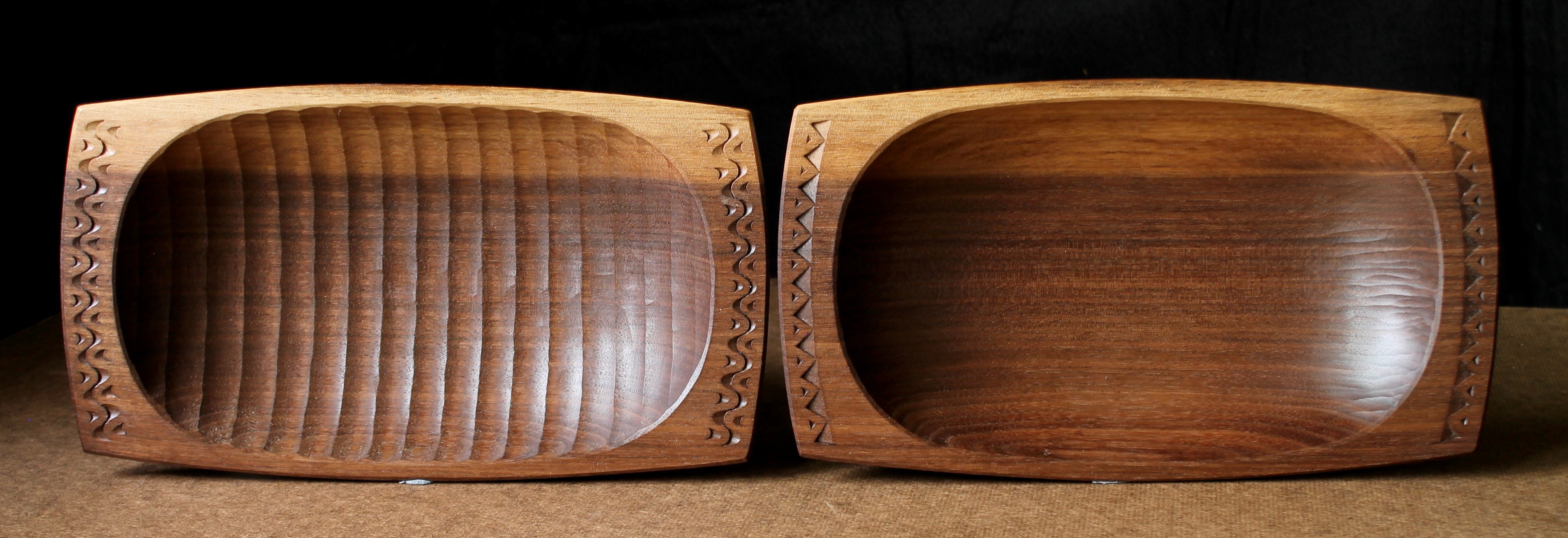
So, after I returned home, I took a piece of kiln-dried black walnut, 12″ x 8″ x 1 1/2″ and submerged it in a bucket of water for over three days. A rock held it under the surface the entire time. That’s it on the right above, with an unsealed piece of the same board to the left.

It didn’t work. Even after three days, the water saturated the wood only about 1/2″ deep into the end grain and maybe 1/8″ deep on the face grain. Beyond that, it was like carving, well, kiln-dried walnut. The good news is that steel is harder than kiln-dried walnut, so I went ahead and carved the tray. I was curious if the water soaking would lead to any cracks as the moisture dried from the end grain. No problems. Maybe a few weeks in the water would have soaked the wood to the core? I’m not sure. Maybe some other time.
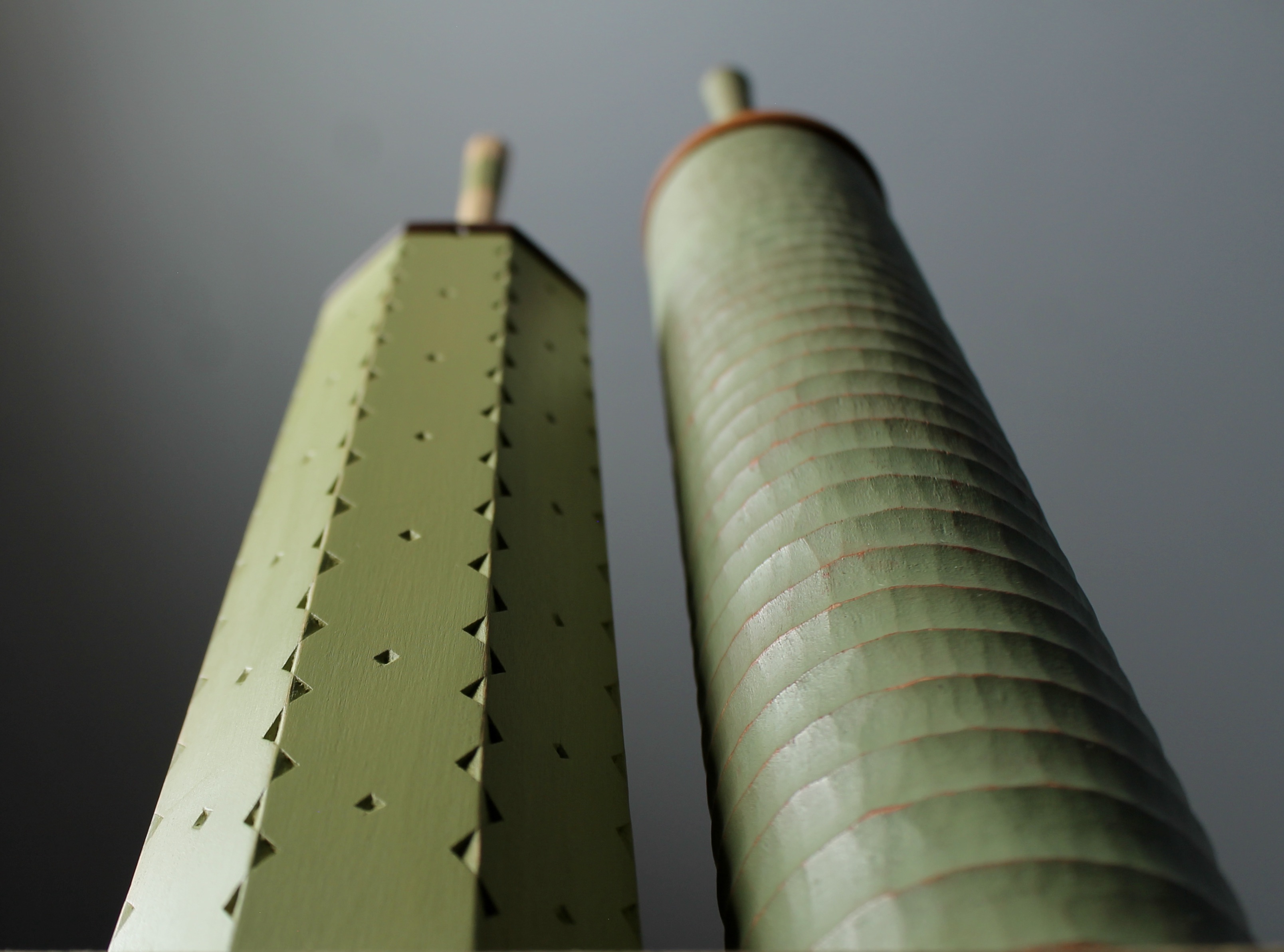
Meanwhile, the tray worked out well. It’s 11 3/4″ long x 7″ wide x 1 3/8″ high. One potential use is for holding stationery. A5 size fits nicely with a little extra room for a pen or pencil. Of course, there are lots of other possibilities.

I did some chip carving on the ends and just below the rim on the sides.

There’s the plan view. Another project from a plank, and this one can be made from a 6/4 plank. Maybe you’ve got a chunk of 2×8 laying around? The layout was done with a compass and drawing bow, the same techniques used for the Bowl-from-a-Plank.

When I flipped it over to carve my mark and year on the bottom, an idea struck me. The windows over my workbench treat me to a view of trees. There’s quite a variety in a short space at the back edge of the yard: maple, tupelo, red oak, tulip poplar, hickory, black cherry, beech… I sketched, carved, and painted a representation of their varied fall colors on the bottom.

The paint is milk paint. Mixes from sample packets from RMP. I cut pads from veg tan leather to protect the tabletop and the trees. Finish is a blend of pure linseed oil and beeswax.

This one is available for purchase. $675 includes shipping. If you’re interested, email me at dandkfish@gmail.com. Thank you. SOLD

Every autumn, I’m reminded of Peanuts comic strips. The falling leaves theme is one that Charles Schulz returned to many times. Here’s one of my favorites:

A last shot, outside. Only the oaks and beeches are holding onto their leaves now.

Posted in bowls, nature, trees, Uncategorized, walnut | Tagged , , , , | 16 Comments

Three Shrink Pots

I’ve finished three shrink pots that are available for purchase. I’ll provide some details about each of them below. If you’re interested, please email me at dandkfish@gmail.com. Prices include shipping. Thanks.

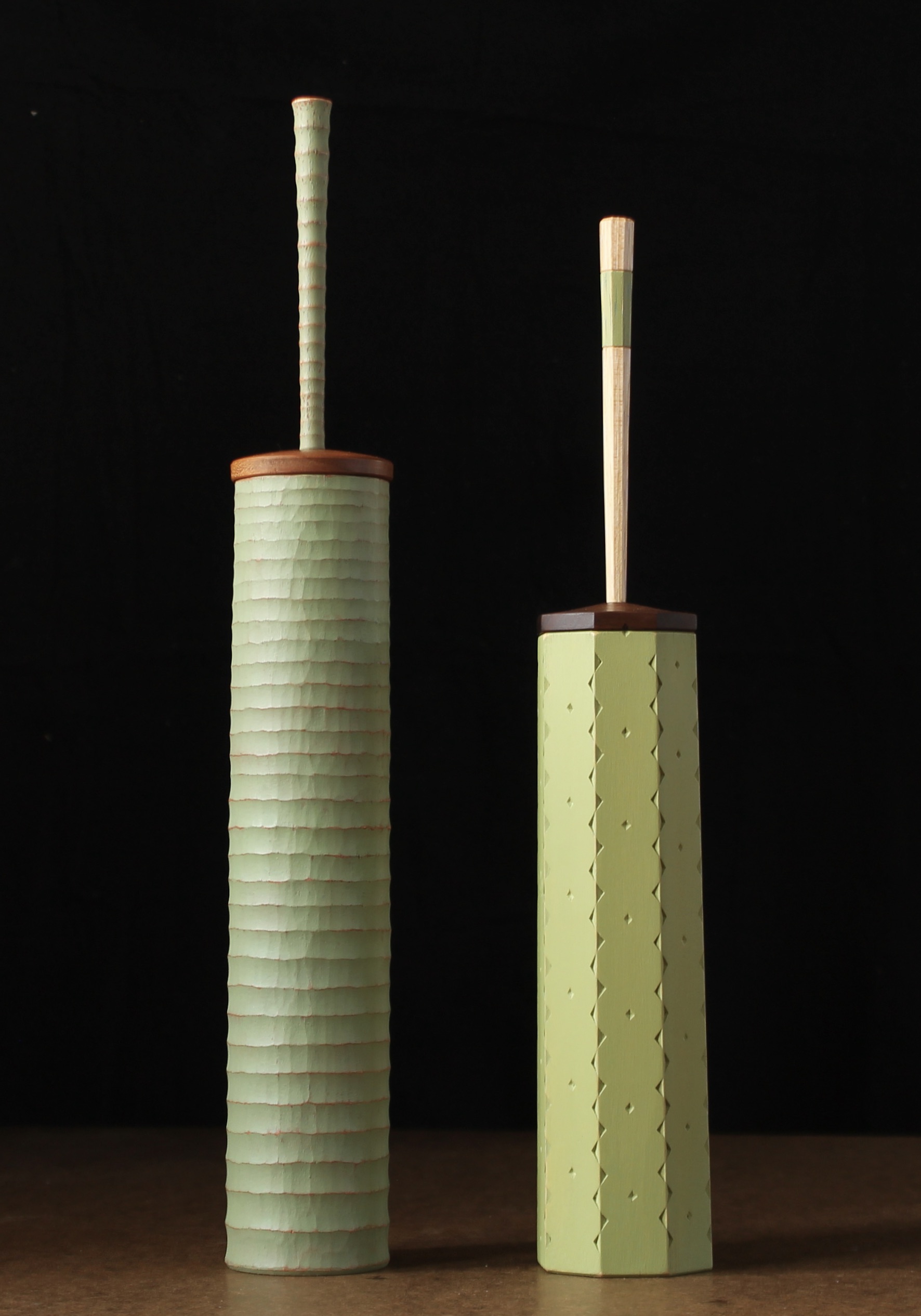
I’ll start with the pot on the left, Riven Twist, It’s related to my most recent post in which I mentioned making a stain from black walnut husks. I made the body from a maple tree that fell just across the road from us. I formed the outside with four strikes of the fro and left the natural split surface, along with the twist in the tree revealed by the splits.

I stained the bright white maple wood with two applications of the walnut husk stain. More applications would have darkened it more. After the lid was finished, I went over everything with a linseed/beeswax blend.

The lid is made from black walnut wood with “granny smith” milk paint. The “finial” is a burl I set aside years ago from a maple or birch log. I pealed the fresh bark from the outside back then and left the surface under the bark to oxidize. This finally seemed like an appropriate spot for it.

The rabbet under the lid is formed by a basswood board with a little chip carving. Three brass screws secure the burl to the lid from below. 9 1/4″ x 3″. $400 includes shipping. SOLD

Now onto the next one, All the Fish Needs. This birch pot with no lid is ideal for holding pencils and pens, or it could have all sorts of other uses.

I carved the outer surface with a gouge to create a texture of wavy random flutes. On the side wall of the pot, there was a tight pin knot. I made that the eye of a fish that merges with the water. With my pen knife, around the lower portion of the pot, I carved a line from Thomas Merton’s translation of Chuang Tzu (Zhuang Zhou) from Merton’s 1965 book The Way of Chuang Tzu: “All the fish needs is to get lost in water.”

After carving, I painted with artist oil paint, blue first, followed by a coat of white which I rubbed back. 5 1/4″ high x 3 1/4″. $350 includes shipping. SOLD

The final pot in this group, No Longer Blue, might look familiar. I showed it in a post several weeks ago, but I had painted it a (too) bright blue. The more I looked at it, the more I wished I had done something different with the color. So I did. I shaved the surface down to fresh wood and repainted. This time with two shades of milk paint, “granny smith” over “blue spruce”. The lid and finial are black walnut. The body of the pot is quaking aspen.

11″ high x 3 5/8″. $400 includes shipping. SOLD

Posted in shrink box, Uncategorized | 5 Comments

More than Wood: Black Walnut Season

Backyard Black Walnut Tree — with nuts!

You’ve got to watch your head walking around here in October as the black walnut trees drop their heavy fruits. A walk is accompanied by a chorus of soft plinks and solid thunks. The plinks are acorns, the thunks are walnuts.

This year a slender walnut tree that lives among the brambles and brush at the edge of our backyard produced nuts for the first time. I sketched it two years ago (above). I decided to celebrate the rite of passage this year by gathering the nuts, along with those from other nearby trees, to eat through the winter like the squirrels. I also made some stain/dye from the husks (the drupes).

The slideshow below goes through the basic stages of the process I used, based on input from my walnut-experienced neighbor, Jerry.

I’ve got a good bunch drying in their shells, so it might be a good opportunity for a nutting party, a tradition described by Donald Culross Peattie in his book A Natural History of Trees. In 1948 he wrote:

In a more innocent age nutting parties were the most highly prized of children’s festivities in autumn, throughout the eastern forest belt, and though butternut and hickory nut, hazelnut, chestnut and chinquapin, and even beechnut and kingnut were gathered, walnut was the favorite. The charm of the nutting party, of course, did not depend solely on the subsequent pleasure of cracking the rough shell and extracting the delicious, oily sweet kernel from its intricate walls. It derived much from the tingling autumn airs, the flaming forest leaves, the wild telegraphing calls of the crows, and the shouts and games of the other children.

As for the brown brew in the yellow bucket… I used some of that natural stain on the body of a shrink pot. More on that possibly tomorrow, when I plan to post three new shrink pots for sale.

And one final note for this post with some exciting news from Jeff Lefkowitz. First, Jeff will be joining me and the other presenters/demonstrators at Handtool Haven in May. I’m looking forward to finally meeting Jeff in person. He’s a woodworker, chairmaker, teacher, graphic designer, and more. He did all of the digital rendering on my Bowl Horse plans and has worked his magic with all sorts of plans for other folks, as many of you will already know.

Now, Jeff has made plans available for the Lefkowitz Shave Horse, a design that’s easy to build from readily available construction lumber and hardware. So, if you’re ready for some chair making, check it out here at Jeff’s website.

Posted in historical reference, nature, quotes and excerpts, sketch, trees, Uncategorized, walnut | Tagged , , , , , , | 12 Comments

2026: Pete’s and Hand Tool Haven

Student Goose Bowls, October 2025

I just returned from a week teaching a bird bowl class at Pete Galbert’s in Berwick, Maine. I’ll be settling into my shop for the next few months with lots of projects in mind. I’ll also be thinking about 2026. Of course, I’ll be returning to Pete’s to teach some classes, but Im also excited that I’ll be demonstrating and presenting at the second annual Hand Tool Haven fundraising event May 16-17 in Butler, Pennsylvania.

Hand Tool Haven is a gathering of hand tool enthusiasts and vendors that raises funds for Plane Wellness, a non-profit organization founded by Jamie Harpster in 2023 with a mission to improve mental wellness through woodworking. You can learn more about Plane Wellness at the link above, and here is another link with Jamie being interviewed by James Wright of Wood by Wright if you’d like to learn more.

I hope to see you there. I’ll be making some chips fly both days and I might have a few things for sale. Vendors are still signing up, but tickets are already available.

Now a few more shots from Pete’s. Beginning with an overhead shot of the students’ goose bowls.

Lew’s goose flew south a little too early to get into the group shot, but I did get this shot of the nice texture Lew carved on the underside.

It was great to reconnect with so many students from last year and also to get together in person with some people I had only known through email. Every student had taken at least one class at Pete’s before. I’ll be posting my 2026 classes for Pete’s in the next month or so. I’m just thinking about timing and what exactly to offer. Meanwhile, there are still some great classes with Tim Manney in November and December, as well as some classes lined up for spring. Check out the schedule here.

Our second bowl of the week was the hen bowl. There’s Josh marking his hen’s beak to guide some cuts. Painting the hens was homework.

Jayna carving flutes on her hen.

Georgia knows that Scott has the biscuits.

There’s the crew with the guy who keeps everything running smoothly while I fumble about, Joel Paul (5th from left).

You may have noticed in some of the shots that chairs and stools made by Pete are all around. Lew found a good spot to sit and carve in a continuous arm rocker.

And speaking of sitting…if you haven’t seen Pete’s posts about this incredible bench he and Aspen Golan are making for the Museum of Fine Arts in Boston, they’re worth checking out. Here’s one. The photo above was taken one evening last week as Pete worked up paint samples on test boards in preparation for finishing the bench.

Not a bad view from Pete’s shop/school after a day of carving.

Posted in classes, events, Uncategorized | 5 Comments

Ready for Maine

I’m returning to Peter Galbert Workshops in Berwick, Maine to teach another bird bowl class this week. As part of my preparations, I carved another hen bowl to make sure I remembered how.

We’ll carve a long and sleek goose-inspired form and this short and stout hen-inspired form. Both can be easily tweaked to represent various other birds.

As an alternative to the more colorful examples I’ll have there, I painted the exterior of this latest one with a simple wash coat of white. It quiets the grain and allows the form and shadows of the carving to read more clearly.

The possibilities for various forms of decorative carving are endless, but you do have to keep the requirements of grain direction in mind.

A timely discovery at our annual local library book sale a couple weeks ago will help me be even more prepared. A sort of dictionary of popular Maine phrases and terminology. Published by Down East magazine in 1975.

Even signed by the author.

This one will come in handy as we’ll be working on getting and keeping the aidges of our tools sharp. Joel Paul can help me with the pronunciation.

This one could be used during lunch.

After this class, I’ll sort out what I’m teaching at Pete’s in 2026 and get the classes posted.

Posted in bird bowls, books, classes, teaching, Uncategorized | 6 Comments

Strange and Unusual Shrink Pot

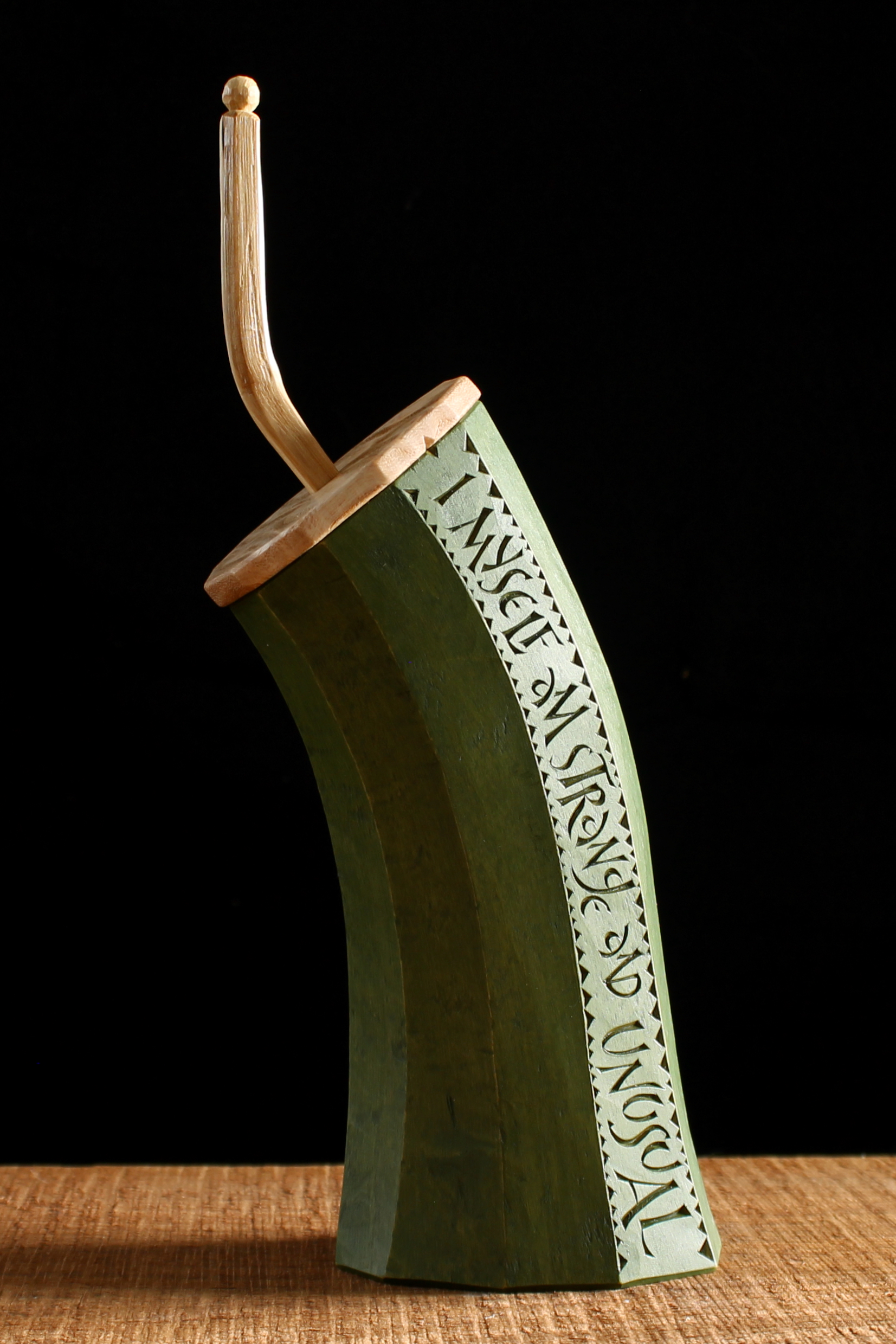
“Strange and Unusual” Shrink Pot 2025, 11.5″ high x 4″ base. DF

In the 1988 movie Beetlejuice, Winona Ryder, as Lydia, professes her strangeness with quiet self-assurance: “I myself am strange and unusual.” About a year ago I was asked to incorporate that line into a piece, and the idea developed in stages just recently.

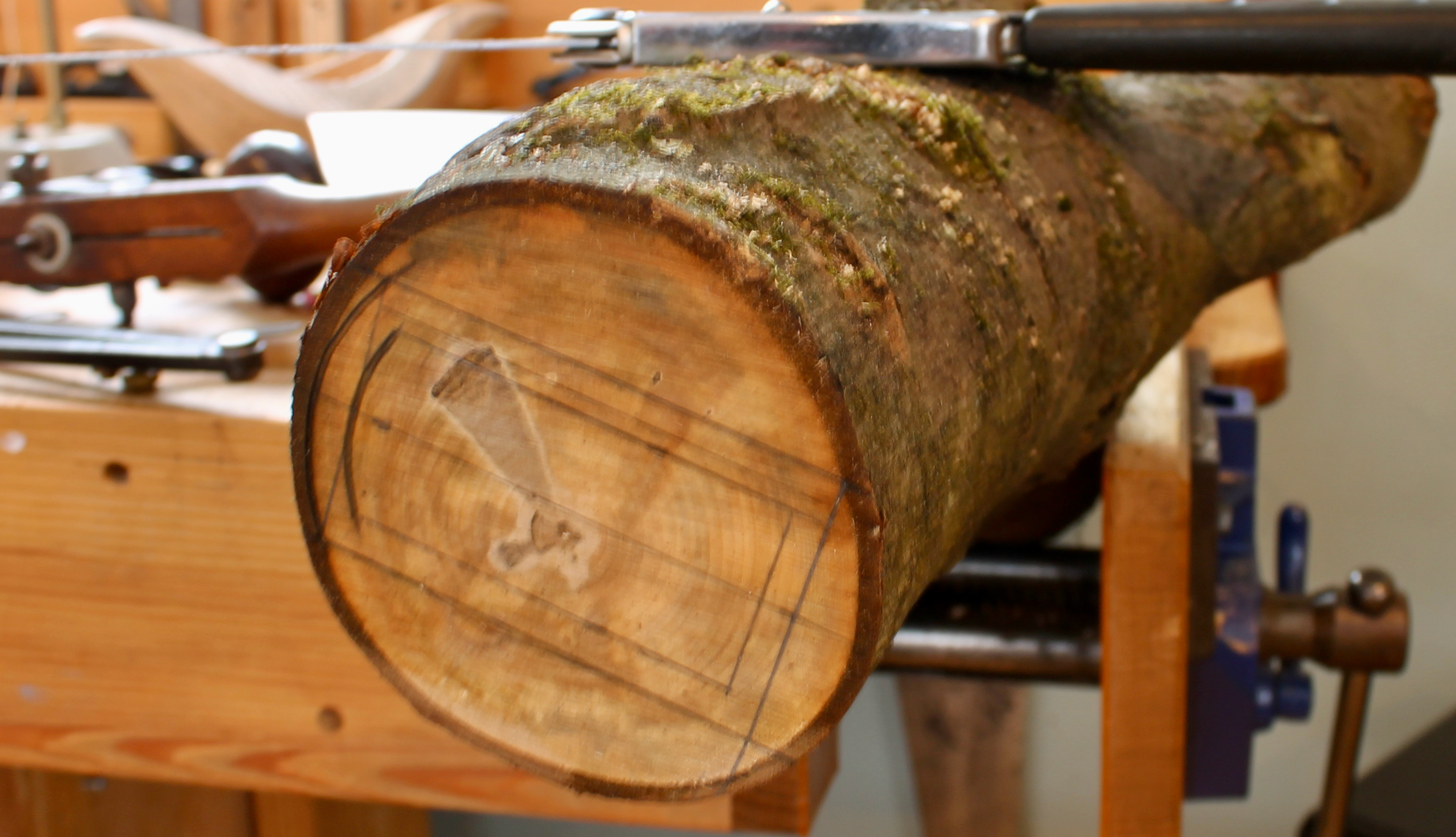
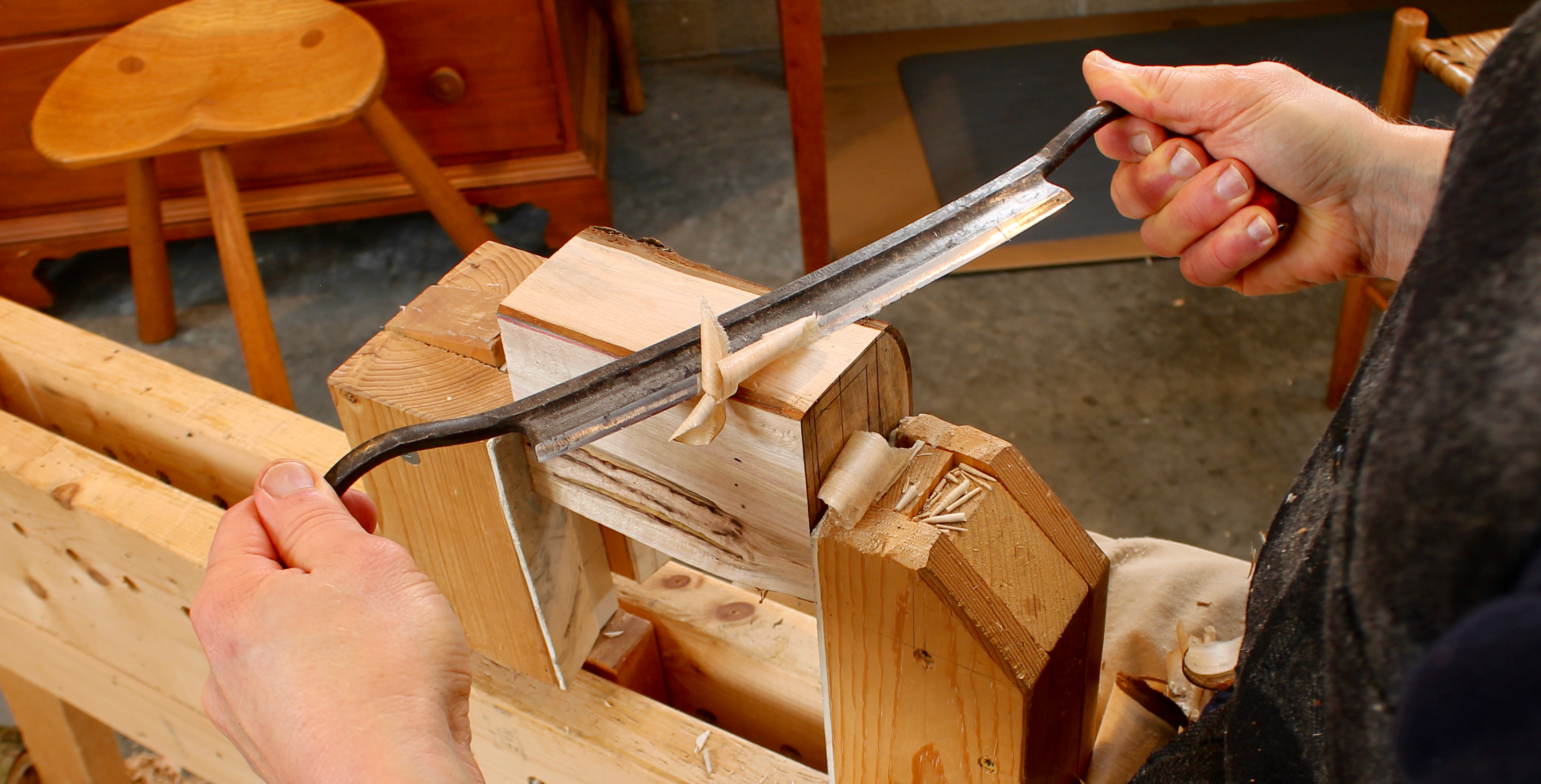
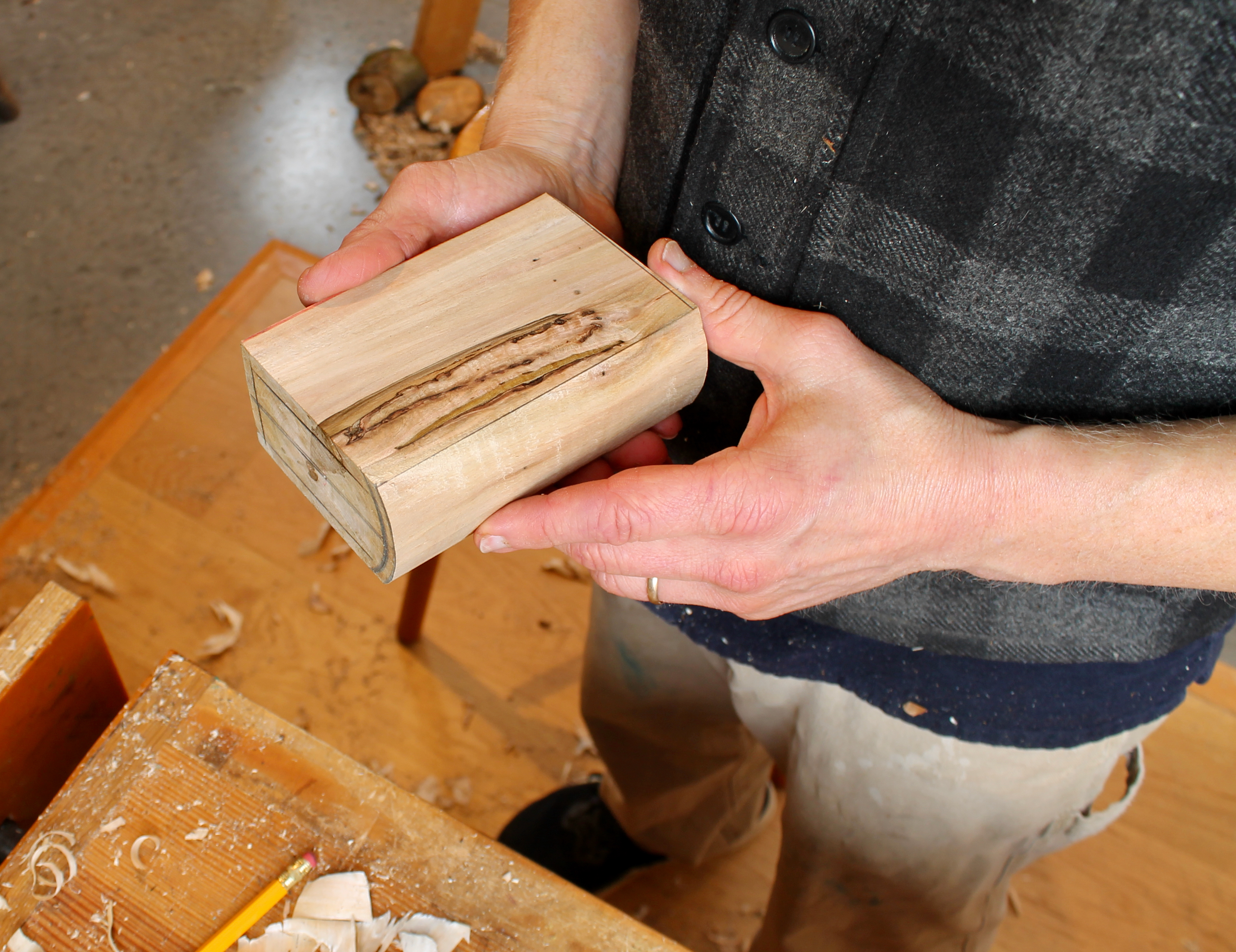
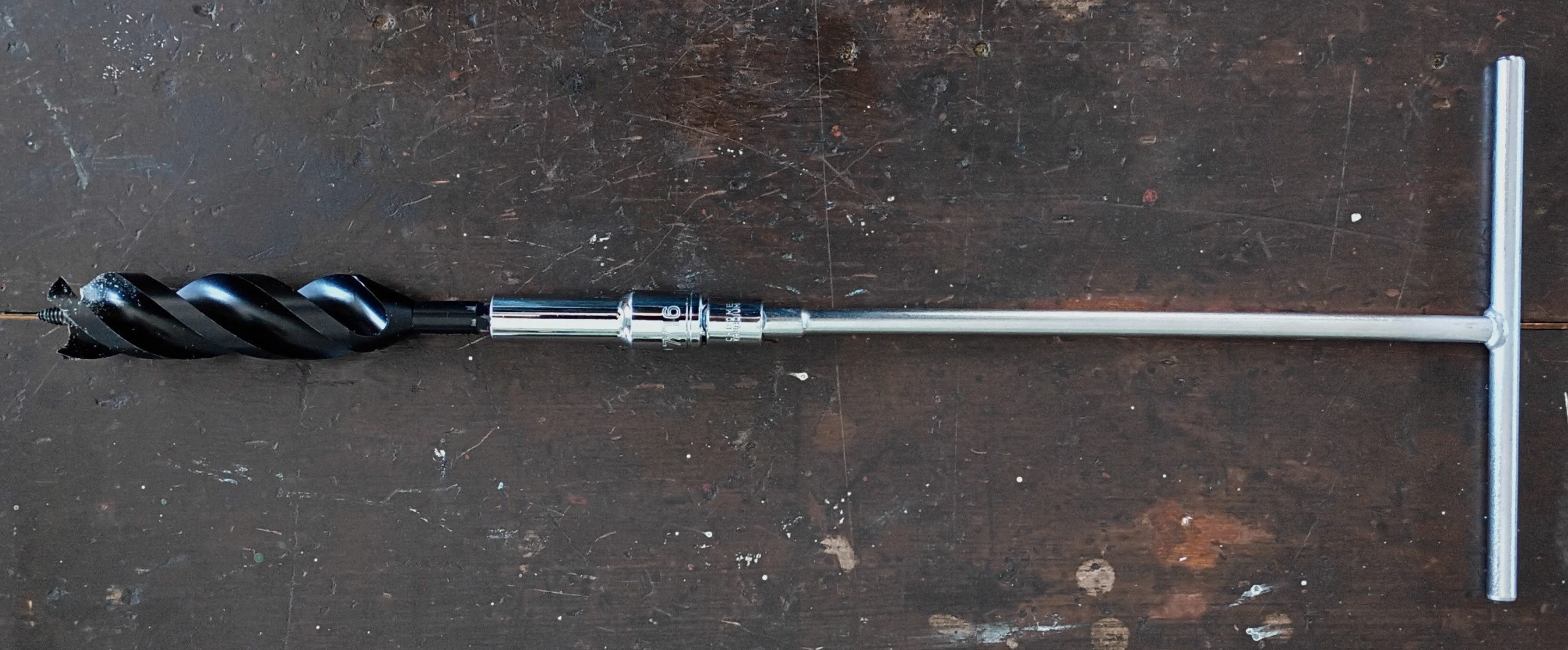
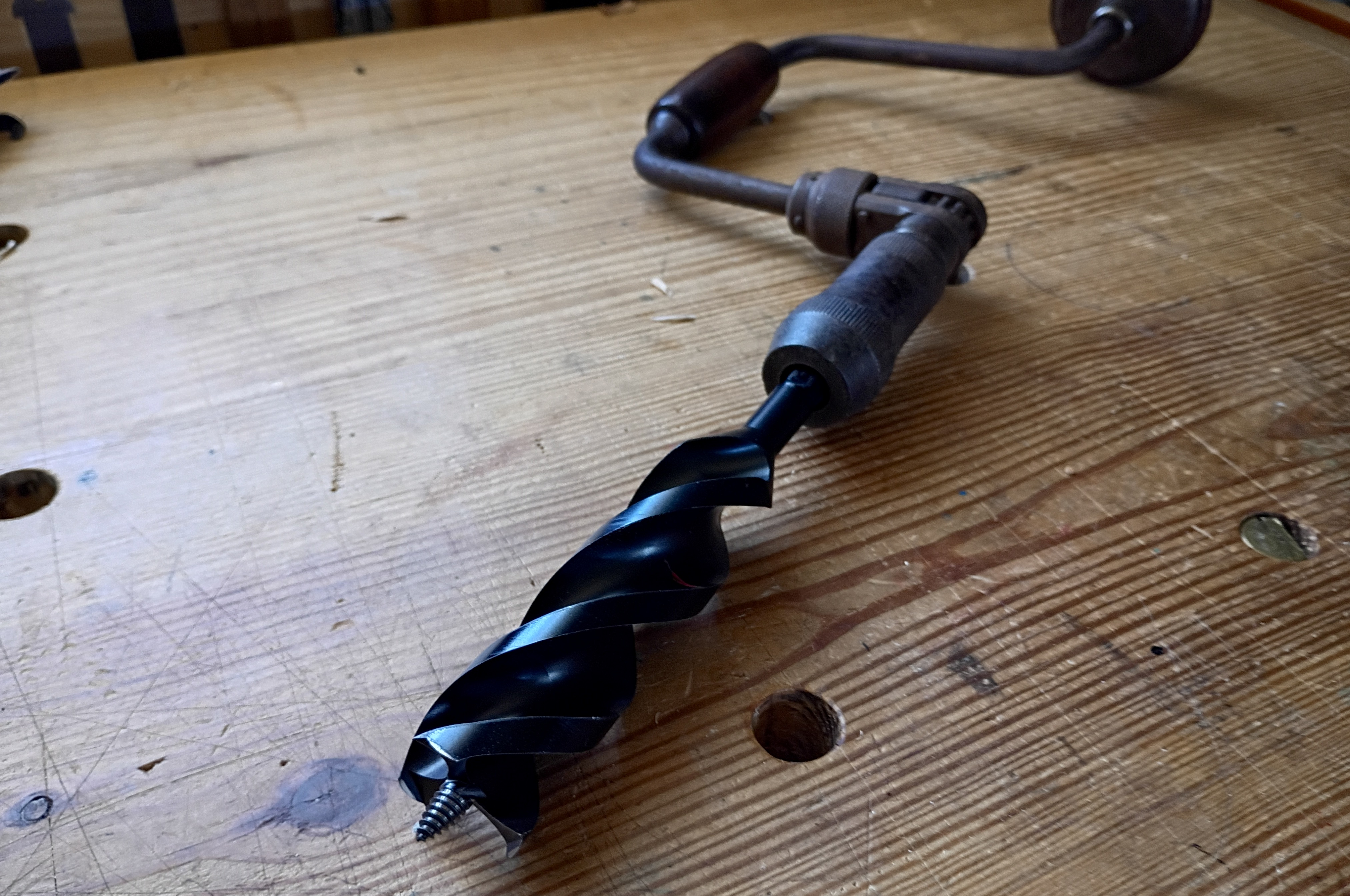
This shrink pot began with a twisty curvy section of a birch tree. In order to hollow it out, I began by boring a hole from each end. The holes were at different angles, but met somewhere in the middle. Then it was some gouge and hook knife work to shape the interior. The facets on the outside were carved with a drawknife at the bowl horse.

For the lettering, I put some yellow Frog Tape over one facet. This was after a base coat of green paint. The tape allowed me to draw the lettering, erase, smudge, whatever without messing up the surface of the pot. Once I was satisfied with the layout, I carved the letters right through the tape, but not quite to a finished state.

When I remove the tape, a good deal of detail work and touch up remains. That’s easier to see and do once the tape is gone.

After the lettering was finished, I put a second glazing coat of darker green over everything. It reminds me a bit of the strange and unusual shapes of zucchinis that are so plentiful this time of year. Maybe that’s what led me to this green. Or maybe I only made the zucchini connection afterward. Memory is a funny thing. I do know that I started shaving the facets without a plan for the color, lettering design, lid….Trying to plan out every aspect of a piece ahead of time can be paralyzing — and presumptuous.

The lid is a wood I had never worked before, sent to me by a friend. It’s paulownia, a section from the root flare at the base of the tree with lovely figure. The finial was split from a hickory branch crook. The slide show below has some additional photos.

This one is already in the hands of its new owner. But I’ve got some other pieces underway.

Posted in design, Lettering, shrink box, Uncategorized | Tagged , | 17 Comments